



























Axmed, a Swiss HealthTech company building a B2B procurement and logistics platform for essential medicines, has been awarded €5 million ($6 million) in non-dilutive grant funding from the Bill & Melinda Gates Foundation — its second major grant from the Foundation, following a prior €4.2 million ($5 million) commitment. With additional backing from Founderful Ventures, Axmed has now raised €11 million ($13 million) in total capital since its founding in 2023.
The new funding will be used to accelerate expansion across Africa and support procurement programmes across multiple therapeutic areas, including family planning and malaria products serving mothers, children, and underserved patients across low- and middle-income countries over the next 12 to 18 months.
A platform built for fragmented, supply-constrained markets
Axmed operates as a technology-enabled B2B marketplace connecting buyers, manufacturers, and distributors to streamline the procurement and delivery of quality-assured medicines in markets where supply chains are fragile, opaque, and expensive. By combining pooled demand, data-driven sourcing, and integrated international logistics, the platform addresses the core inefficiencies that drive up costs and reduce supply reliability across low- and middle-income countries.
The results to date suggest the model is working. In 2025 alone, Axmed delivered more than 1,800 metric tonnes of healthcare products and reached over 4.2 million patients — up from approximately 750,000 the previous year. The platform recorded 12x year-on-year revenue growth and maintained an average 70% repeat purchase rate. For customers, the platform reportedly generates cost savings of 30 to 35% through demand aggregation and price transparency.
The company is headquartered in Basel and maintains regional operations in Nairobi, Kenya — a base that reflects both its geographic focus and its ambition to be embedded within the markets it serves rather than managing them from a distance.
Disciplined execution at scale
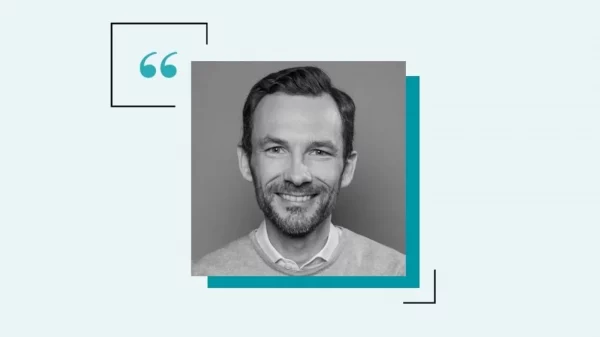
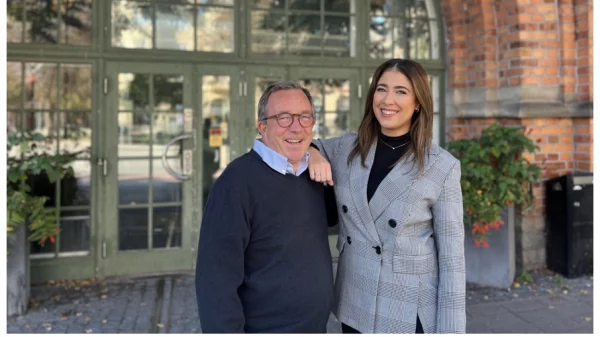
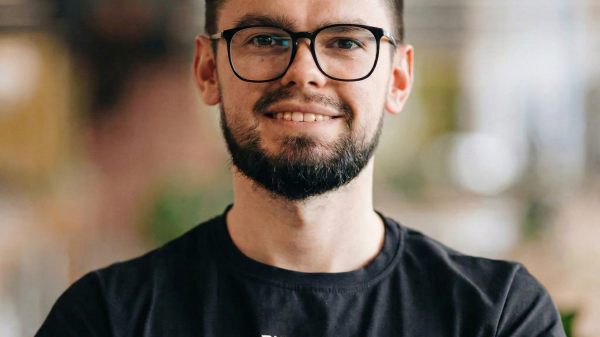
Emmanuel Akpakwu, Founder and CEO of Axmed, framed the Gates Foundation’s continued support as an endorsement of a model that is already proving itself in the field rather than a bet on future potential. “This funding allows us to scale what already works while we bring in aligned long-term capital. With the continued support of the Gates Foundation, our focus is disciplined execution at scale: strengthening procurement systems, improving affordability, and ensuring high-quality medicines reliably reach the people who depend on them.”
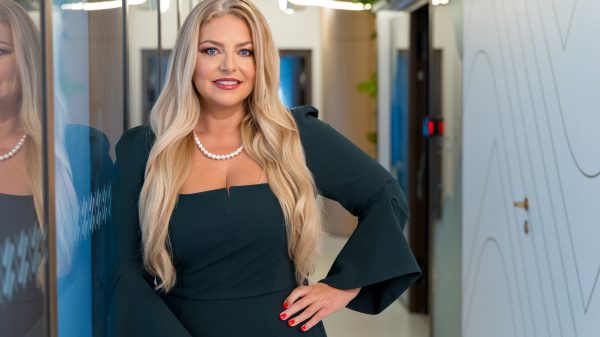
That on-the-ground credibility is reflected in how Axmed’s partners talk about the company. Denise Tuiime Mutambi, Director of Planning and Procurement at Joint Medical Stores, described the company as having demonstrated an exceptional ability to navigate global healthcare supply chain complexity and translate strategy into measurable and sustainable impact — high praise for a company only three years old.
Ambitious targets, infrastructure-level ambitions
Axmed plans to operate in more than 20 countries by the end of 2026. Looking further ahead, the company has set a target of reaching 50 million patients within three years and over 100 million within five — positioning the platform not merely as a startup success story but as a core infrastructure layer for medicines procurement across underserved markets globally.
That ambition places Axmed in a distinct category within the broader HealthTech investment landscape, where much of the capital flow in 2025 and 2026 has targeted healthcare system efficiency in high-income markets. Axmed’s model inverts that geography — applying the same technology-enabled marketplace logic to the markets where supply chain failures have the most direct consequences for human life.
Fast facts:
- Latest funding: €5M Gates Foundation grant (non-dilutive)
- Total raised to date: €11M ($13M)
- Other backers: Founderful Ventures, Gates Foundation (prior €4.2M grant)
- HQ: Basel, Switzerland (regional HQ: Nairobi, Kenya)
- Founded: 2023
- 2025 reach: 4.2 million patients, 1,800+ metric tonnes of healthcare products delivered
- Target: 50M patients in 3 years, 100M in 5 years