




































The Eindhoven-based scale-up just closed one of Europe’s largest cleantech hardware rounds, with a mission to kill natural gas in heavy industry — one iron powder combustion at a time.
There’s a corner of the energy transition that gets far less attention than solar panels and EV batteries: the brutally hard problem of industrial heat. Steel mills, chemical plants, food factories — they all need continuous, high-temperature heat to function, and today virtually all of it is produced by burning fossil fuels. Electrification isn’t a realistic fix. The temperatures are too high, the power demands too massive, and the grid simply isn’t there.
RIFT, a startup out of Eindhoven, thinks it has the answer: iron.
The company just announced a €113.8 million financing package — comprising an €83.1 million Series B and a €30.7 million EU Innovation Fund grant — to bring its Iron Fuel Technology to its first commercial deployment. The Series B was led by PGGM, the Dutch pension giant managing over €240 billion in assets, with co-investment from Invest-NL, Oost NL, Rubio Impact Ventures, BOM, and Energietransitiefonds Rotterdam.
At €83.1 million, this is a standout round for a hardware and cleantech company at this stage — a signal of just how seriously institutional capital is taking the industrial decarbonization problem.
How It Works
Iron burns. That’s the core insight behind RIFT’s technology. When iron powder is combusted, it releases heat without producing any CO₂ — only iron oxide, which can be collected, re-reduced back to iron using green hydrogen or electricity, and burned again. It’s a fully circular energy carrier that slots into existing industrial infrastructure as a direct replacement for natural gas.
The result: high-temperature industrial heat with zero direct emissions.
RIFT has spent the last several years proving the technology works in real industrial environments. Now, with fresh capital in hand, the company is moving from demonstration to execution.
The Numbers That Matter
The first commercial project targets 340 GWh of industrial heat per year. Over a 15-year operating lifetime, that adds up to roughly 5 TWh of decarbonized heat and more than one million tonnes of avoided CO₂ emissions — comparable to taking over 200,000 cars off the road permanently.
The first commercial contract was already signed in mid-2025 with Kingspan Unidek, a building materials manufacturer. RIFT is targeting operational status by 2029.
Why This Round Is Different
Most deep tech companies hit a wall between pilot and commercial scale — the infamous “valley of death” where capital dries up before the technology can prove itself at real-world scale. RIFT’s backers were clearly aware of this.
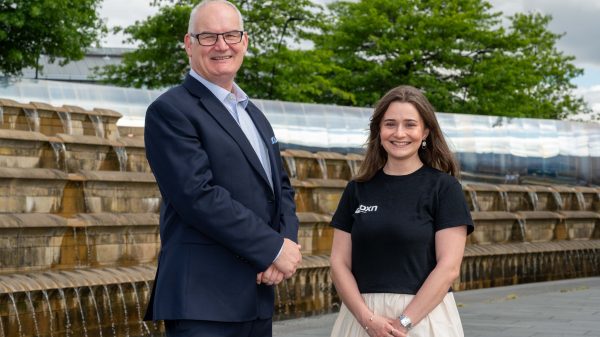
“Many industrial innovations stall in the transition from demonstration to realization,” said Tim van den Brule, Investment Director at PGGM Infrastructure. “We have deliberately chosen a financing structure that provides capital through to execution, enabling the first commercial project to move into operation.”
That structure — combining equity, national development finance, regional funds, and EU grant money — is a template worth watching for other European deep tech founders navigating the same chasm.
The Team Behind It
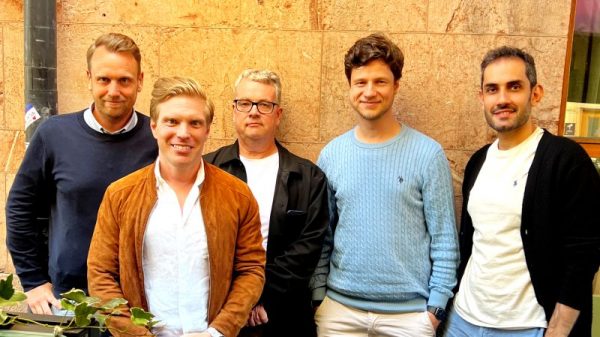
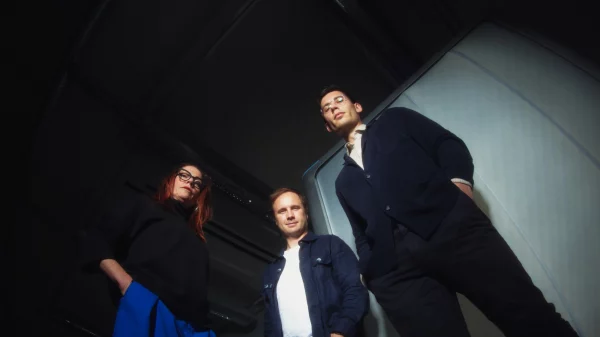
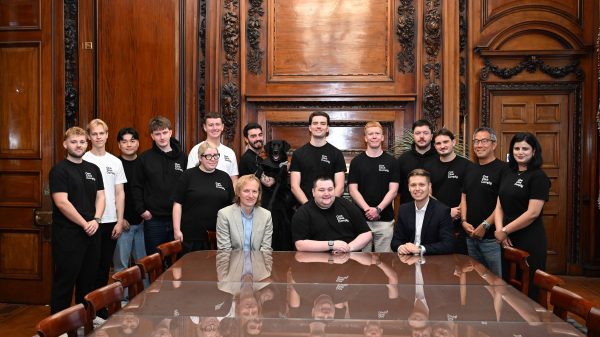
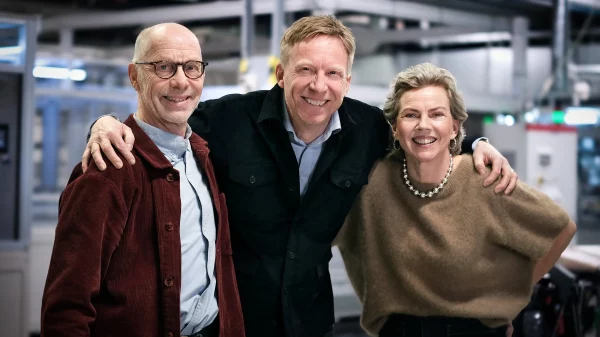
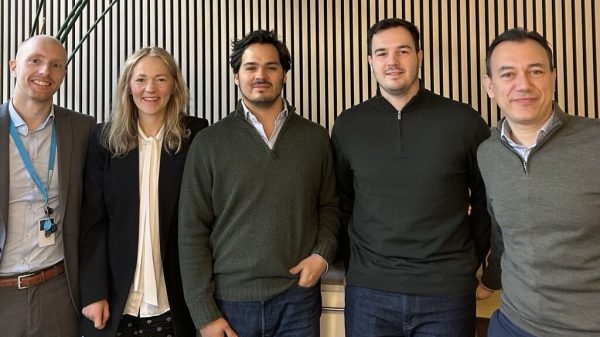
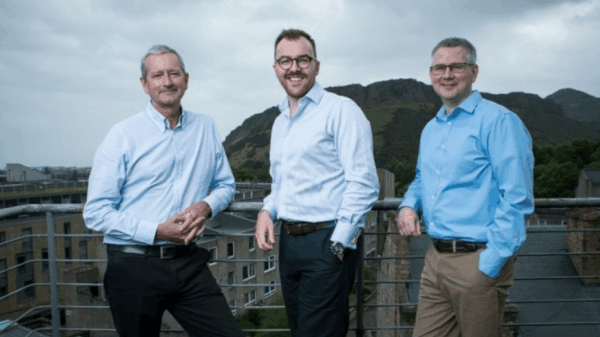
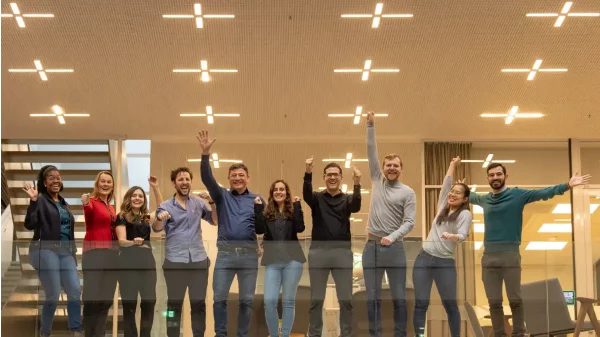
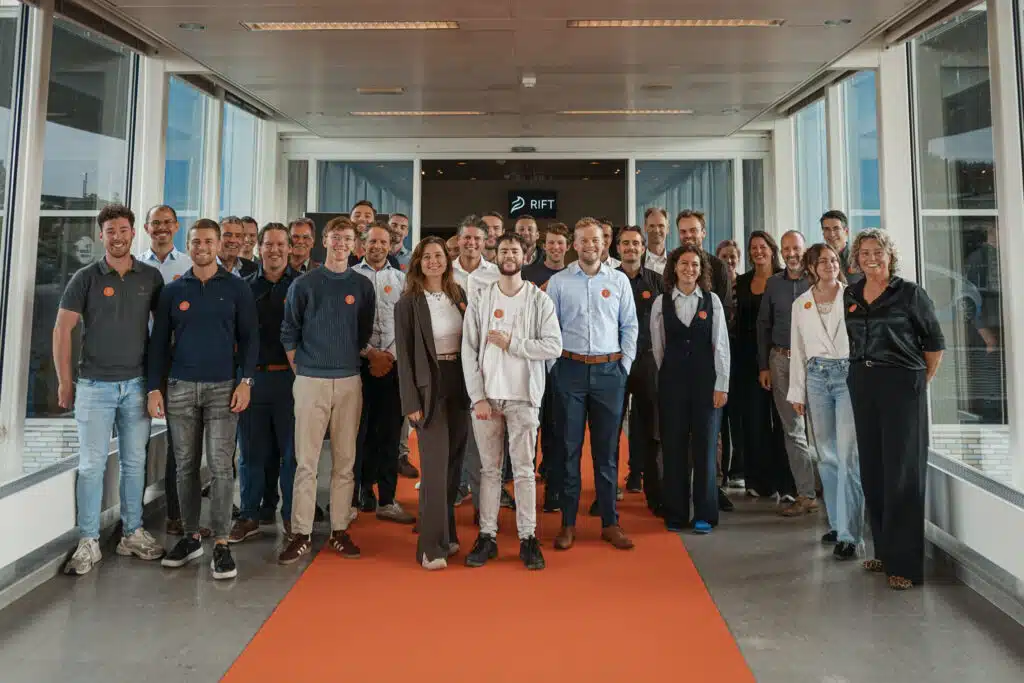
RIFT was founded in 2020 by Mark Verhagen, Vincent Seijger, and Lex Scheepers and has grown to around 75 employees. The company’s selection under the EU Innovation Fund — chosen from 359 applications, with only 61 projects funded — further validates its standing as one of Europe’s most credible industrial decarbonization bets.
“We are now moving into the next phase, focusing on preparation and execution of our first commercial project,” said CEO Mark Verhagen. “This represents a concrete step toward decarbonizing industrial heat at scale.”
Industrial heat accounts for roughly 20% of global CO₂ emissions. If RIFT can make iron fuel work commercially, it won’t just be a Dutch success story — it’ll be one of the most important climate technologies to come out of Europe this decade.
More information: ironfueltechnology.com