






































A learning platform built on curiosity, expert knowledge, and the belief that self-development should actually be enjoyable
The internet has a reputation problem. Lifestyle apps engineered for addiction. Influencers optimising for engagement over integrity. And with AI accelerating everything, the noise is only getting louder.
Which makes RiseGuide — riseguide.com — a genuinely refreshing exception.
It’s a personalised, expert-powered edtech platform built for people who want to develop skills that schools rarely teach, such as memory and cognitive performance, communication, executive presence, personal branding, and structured thinking. Not as abstract theory, but as daily practice.
The business model is straightforward and transparent — a deliberate contrast to personal development platforms that lure users in for free before pushing expensive upsells. Like Duolingo, RiseGuide is upfront about its pricing: plans start at four weeks for $39.99, with introductory offers for the first month frequently available at $19.99.
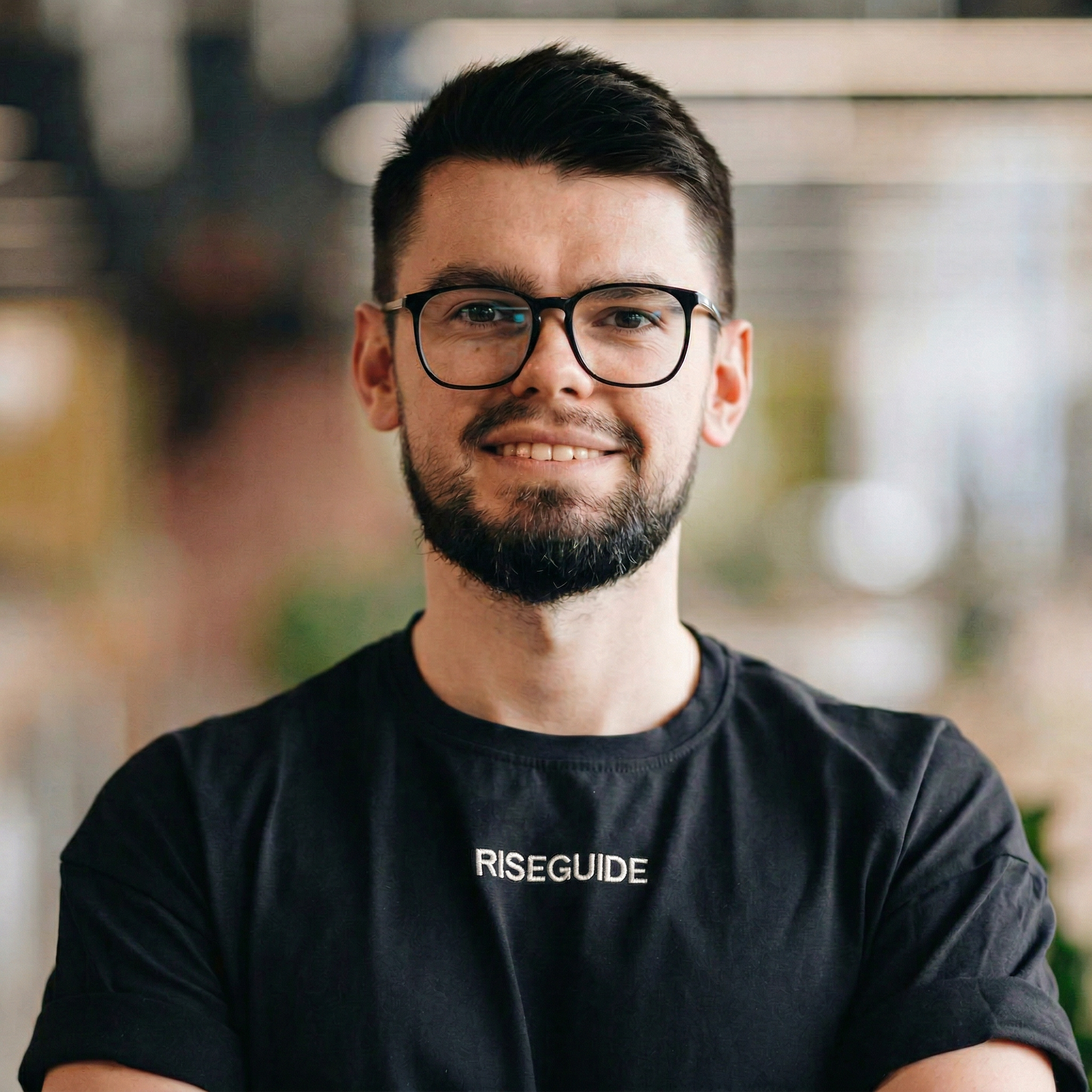
The founder
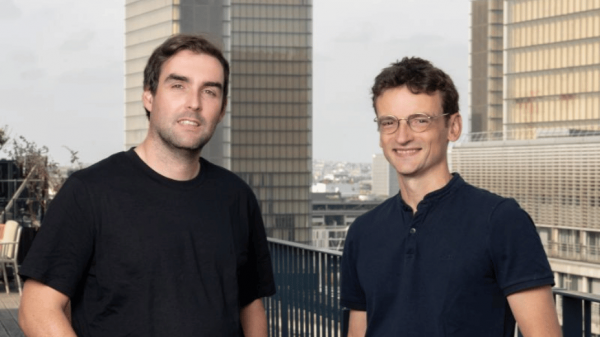
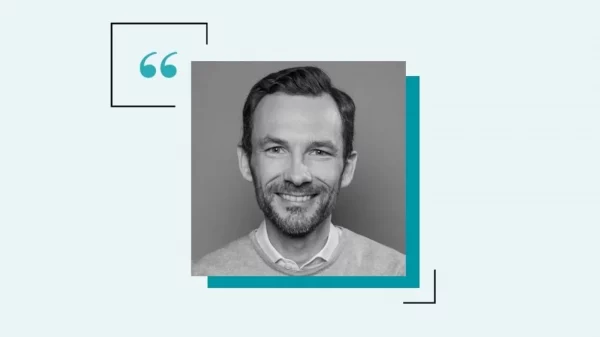
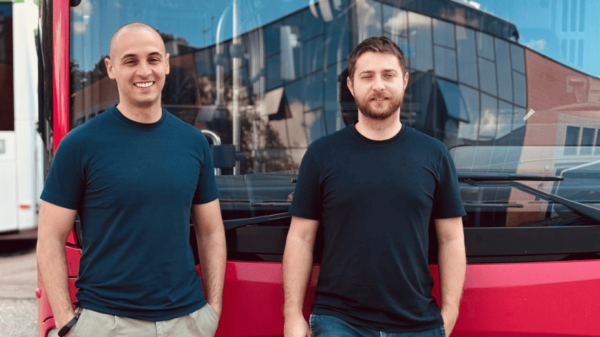
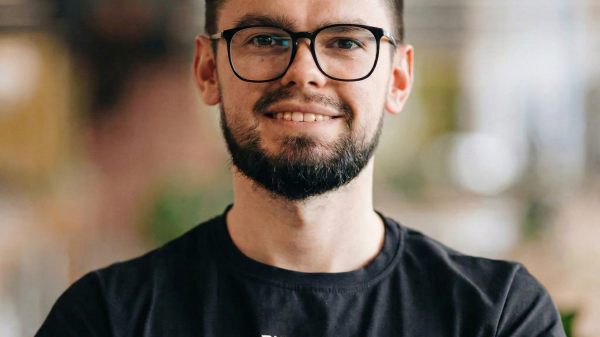
RiseGuide was founded by Oleksandr Matsiuk, who grew up in Kyiv in a family of doctors. He attended an exceptional school with unusually bright classmates and demanding teachers who pushed him into maths competitions, debate tournaments, and sport. His real passion was history — consumed not as coursework but out of genuine obsession. His heroes were Alexander the Great and Napoleon: leaders who reshaped the world without any obvious starting advantages.
He had one consistent compass throughout: go where the challenge is greatest. He chose Taras Shevchenko National University of Kyiv because it attracted the sharpest students in the country. When corporate life after graduation proved too comfortable, he set himself a harder target, to gain admission to one of the world’s top business schools. The SIM programme at the University of St Gallen had held the number one ranking on the Financial Times list for over a decade. He got in.
After St Gallen, a role at an investment fund sharpened how he thinks about decisions and what separates good ideas from real execution. A breakfast conversation with someone who later became an investor settled the question of what came next: Forbes writes about founders, not managers. That was enough.
The product
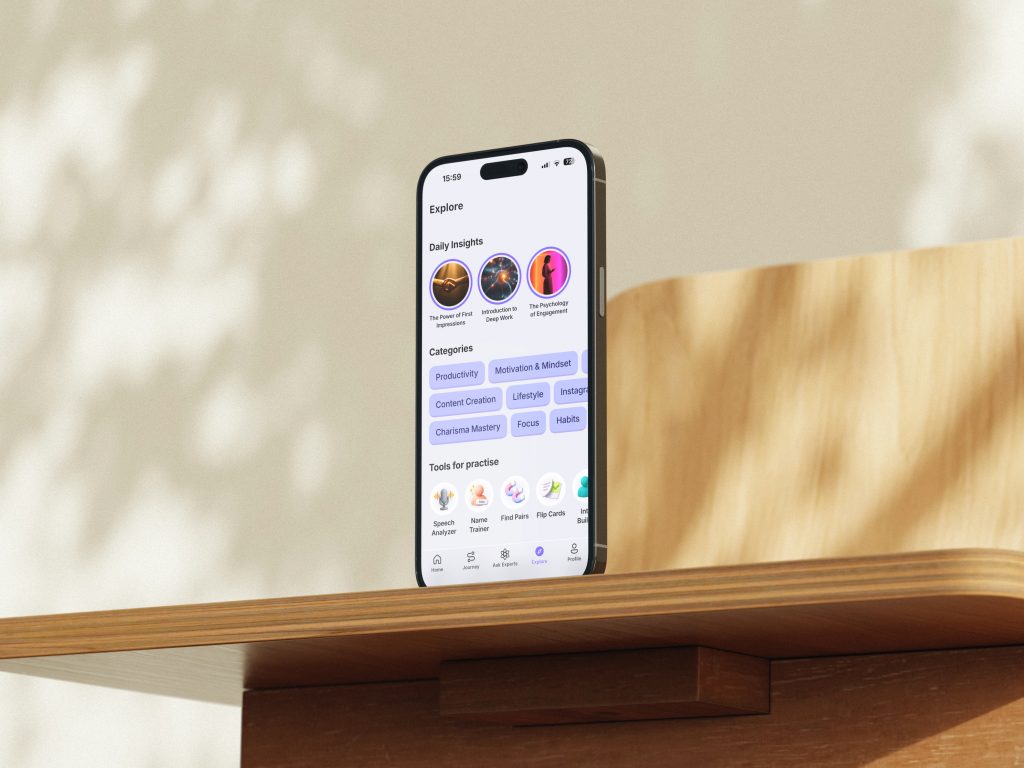
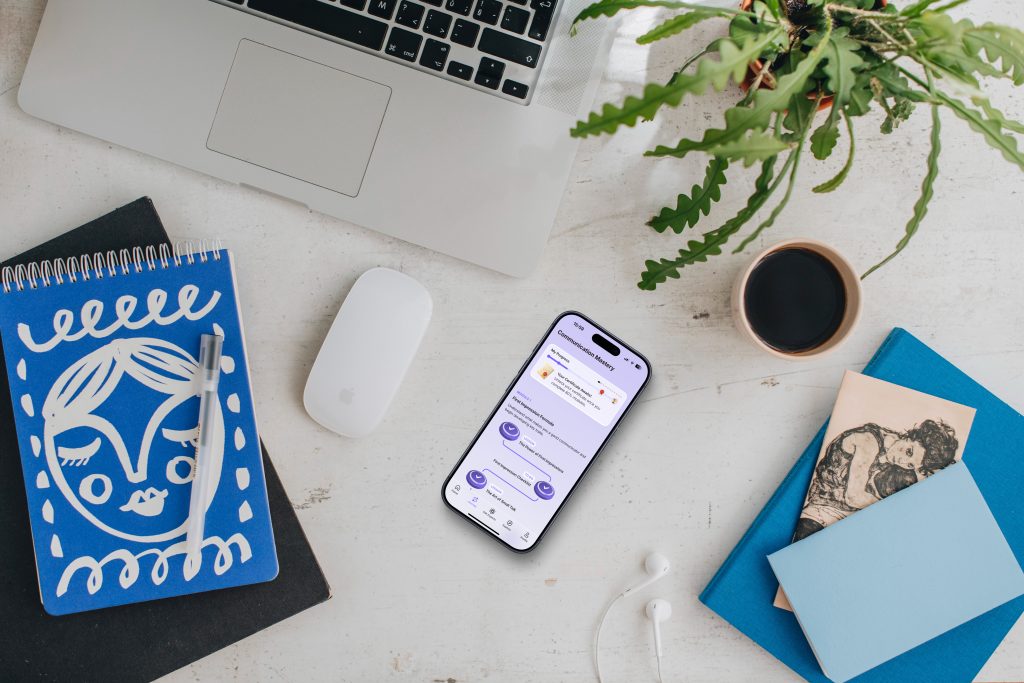
The core idea behind RiseGuide is deceptively simple: make learning as compelling as scrolling through social media but leave you feeling like you’ve actually grown — not like you have wasted an hour.
Sessions are built around insights from over 300 domain experts — neuroscientists, CEOs, world-class performers — delivered through short video clips and concise text. Each session takes roughly 10 to 15 minutes and is designed around habit formation: small, repeated actions that compound over time. Downloadable materials — cheat sheets, templates, frameworks, workbooks — let you apply the day’s ideas immediately. Flashcards, quizzes, and specific action items close the loop between learning and doing.
The platform is available in seven languages — English, German, Spanish, French, Italian, Portuguese, and Chinese — and has over 500,000 active users globally.
Practising what he preaches
Oleksandr’s own approach to development is consistent with what RiseGuide teaches. He has always been drawn to the biographies of exceptional people — how top performers think, how they describe their path. While building previous companies, he kept returning to the same question: what if the knowledge of the world’s best could be made genuinely accessible and actionable? RiseGuide is his answer.
As CEO, he splits his time between product direction and team leadership. One of his more hard-won lessons: communication is far more important — and far more time-consuming — than most founders expect. He now dedicates around 30% of his time to it, versus roughly 5% in the early days. The same messages, he’s found, need to be said many times before they actually land.
His current preoccupations are the people challenges that come with growth: hiring top talent at pace, sustaining a high-performance culture, and creating enough room for ambitious people to keep developing.
Outside work, he is deliberate about structure. Saturday is a full reset — no work, usually something physical. He played tennis growing up under a demanding coach who made his players run more than most found enjoyable; the lesson that stuck was that success comes from executing simple things significantly better than everyone else. He has recently taken up padel.
Sunday is his most productive day: no meetings, so he uses it for deep work — planning, writing, thinking through decisions. For him, the week starts on Sunday.
His heroes conquered through force. Oleksandr’s version of conquest is quieter, and arguably more lasting: replacing wasted screen time with the kind of learning that actually changes how people think, communicate, and act.
About the About the Author

Mike Southon
Mike Southon is Chief Editor of Startup Mafia, busy tuning Estonians into Unicorns and helping promote them worldwide
More details and other his other articles here: https://startupmafia.eu/author/mikesouthon