



































As Europe’s energy transition accelerates, small and mid-sized businesses are increasingly exposed to electricity price volatility, grid charges, and peak consumption penalties.
A Cologne-based startup is betting that smarter coordination between energy consumption, storage, and procurement can solve that problem.
Einklang, an Energy-as-a-Service platform focused on Germany’s Mittelstand, has raised €2.2 million to scale its battery-optimised electricity tariff system designed for SMEs.
The round was led by Vireo Ventures, with participation from SI Ventures, Saxovent, Angel Invest, Heimatboost, and DnA Ventures.
The capital will support technology development and help the company scale its integrated energy platform across Germany’s commercial and industrial sector.
A Flexibility Solution for the Mittelstand
The German Mittelstand — thousands of mid-sized manufacturers, logistics operators, and industrial suppliers — forms the backbone of the country’s economy.
But unlike heavy industries that benefit from special regulatory exemptions, many SMEs face high electricity costs without structural relief mechanisms.
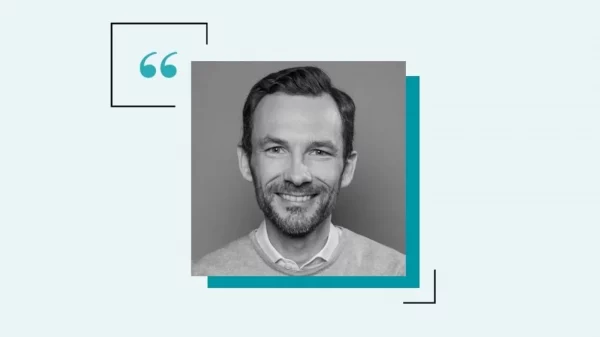
According to Lucas Jonas, the problem is not renewable energy itself but the structure of electricity pricing.
“While energy-intensive industries receive regulatory relief, mid-size companies still face high prices driven by volatility, grid charges, and consumption peaks,” he said.
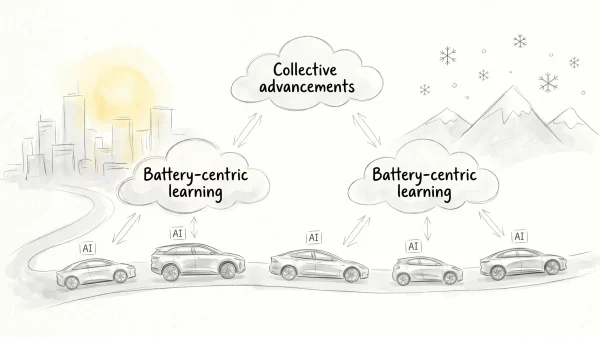
“Our solution coordinates storage, procurement, and consumption to address exactly those problems.”
Einklang’s model integrates:
- battery storage systems
- smart energy control software
- dynamic electricity tariffs
- automated optimisation of consumption timing
The result allows companies to consume electricity when it is cheapest and most abundant, typically when solar or wind generation peaks.
Reported Savings of 30–40%
According to company data, SMEs using Einklang’s system can reduce electricity costs by 30% to 40%, depending on baseline energy usage.
Some installations reportedly achieve:
- up to 50% energy autonomy
- up to 100% renewable energy coverage
- reduced peak load penalties and grid charges
Crucially, the system operates under an Energy-as-a-Service model, meaning companies do not need to invest in battery infrastructure themselves.
Einklang installs and manages the system while businesses simply purchase electricity through the optimised tariff structure.
New installations can typically be deployed within three months.
A Growing Market for Energy Optimisation Platforms
Einklang’s funding comes amid increasing venture investment into energy flexibility technologies, including battery storage systems, grid optimisation platforms, and AI-driven energy forecasting.
Recent European funding rounds in adjacent sectors include:
- enshift — €18.5M for real estate and infrastructure energy optimisation
- WtEnergy — €10M to scale biomass gasification projects
- iwell — €27M for commercial battery deployments
- Dexter Energy — €23M to expand AI-powered energy optimisation
- Chapter — €3M seed round
- Anaphite — €1.6M for lithium iron phosphate battery technology
Together these rounds represent over €80 million invested in Europe’s distributed energy infrastructure stack in recent months.
While many of those companies focus on large-scale infrastructure or energy trading, Einklang is targeting a narrower but highly fragmented segment: mid-sized industrial companies.
The Energy Stack Is Moving Downstream
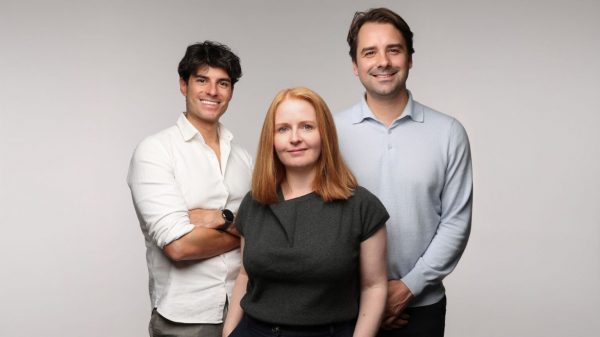
Founded in 2025, Einklang was built by founders with experience in the European energy startup ecosystem, including ventures such as Voltfang and Impuls Energy.
Their thesis is that the next stage of the energy transition will be driven not only by renewable generation but by intelligent coordination of energy usage at the consumption level.
By combining electricity procurement, battery storage, and automated optimisation into a single service, the company aims to turn energy management into an invisible infrastructure layer for businesses.
Investors appear to share that view.
For Felix Krause, the opportunity lies in the convergence of several trends: decentralised energy systems, falling battery costs, and regulatory changes encouraging flexibility.
“The current regulatory framework creates significant potential for integrated solutions combining battery storage, solar generation, dynamic tariffs, and intelligent control,” Krause said.
The Next Battle in Europe’s Energy Transition
The broader shift underway in Europe’s energy ecosystem suggests that flexibility — not just generation — is becoming the critical bottleneck.
As renewable penetration increases, electricity prices fluctuate more frequently, creating opportunities for companies that can dynamically shift consumption and storage.
Platforms that coordinate when energy is purchased, stored, and consumed may therefore become as important as the infrastructure that generates it.
If that trend continues, startups like Einklang could represent a new category of energy infrastructure companies — ones built not around power plants, but around software-driven energy orchestration for the industrial economy.