





































Europe’s defence technology ecosystem is undergoing a structural shift. As aerial threats become cheaper and more numerous — particularly drones and autonomous systems — the traditional model of expensive, slow-to-manufacture missile systems is increasingly seen as unsustainable.
A new generation of defence startups is trying to change that equation.
One of the most ambitious just secured major funding.
Frankenburg Technologies, a Tallinn-based defence startup focused on affordable, mass-manufacturable missile systems, has raised €30 million in Series A funding to build scalable missile production capacity in Europe.
The round was led by Plural, with participation from SmartCap.
The new financing brings the company’s total funding to €40 million and will support the expansion of its interceptor systems as well as the development of a broader missile portfolio.
A Structural Gap in Europe’s Defence Systems
The funding reflects a growing concern within European defence circles: modern aerial threats are becoming dramatically cheaper and easier to deploy.
Low-cost drones and loitering munitions can now be produced in large volumes, while traditional missile interceptors remain:
- expensive
- slow to manufacture
- limited in supply
This imbalance has created a new challenge for air defence systems.
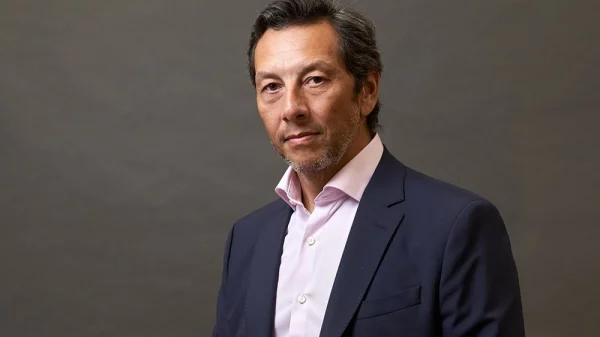
According to Kusti Salm, deterrence today depends as much on availability and manufacturing scale as on technological sophistication.
“Europe’s deterrence problem is not just about budgets — it’s about availability,” Salm said.
“You cannot deter with systems that are too scarce, too slow to replace, or too expensive to use at scale.”
Frankenburg’s core thesis is simple: missiles must become cheaper, faster to produce, and available in large quantities.
A “SpaceX-Style” Approach to Defence Manufacturing
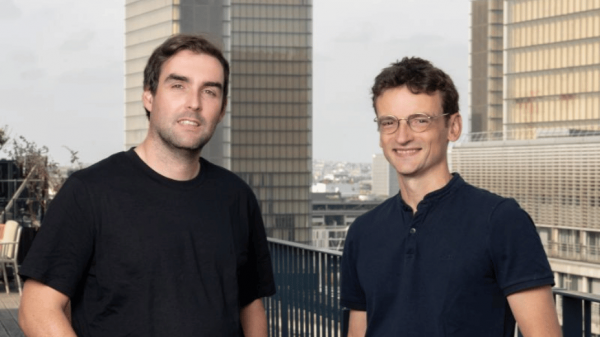
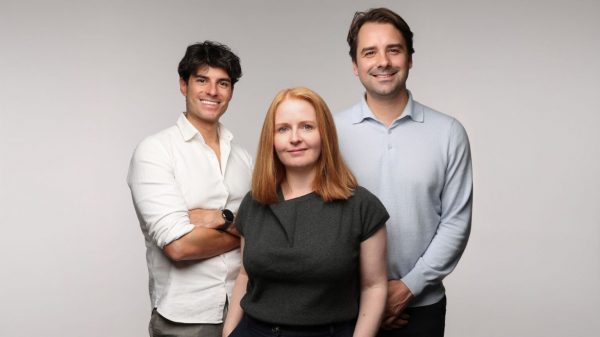
The company was founded in 2024 by Taavi Madiberk and Marko Virkebau, both experienced deep-tech entrepreneurs.
Madiberk describes the company’s vision as a “SpaceX-style shift” in missile manufacturing — prioritising speed, cost efficiency, and scalable production.
“For too long, Europe outsourced strength,” Madiberk said.
“Europe needs to build fast, move faster, and win on cost and performance.”
The startup is building what it calls a new European missile house, combining modern manufacturing techniques with a vertically integrated defence supply chain.
Frankenburg’s leadership team also includes engineers and defence experts who previously worked on major European missile programmes, including:
- IRIS-T
- SPEAR3
- Storm Shadow
- Brimstone
From Concept to Testing in 13 Months
In just over a year, the company has taken its first interceptor system — the Mark I short-range air defence missile — from concept to advanced testing and industrialisation.
The system focuses on counter-drone defence, one of the fastest-growing operational needs across European militaries.
Rather than designing a complex multi-role system, Frankenburg intentionally built the Mark I with constrained requirements, allowing faster development and easier manufacturing.
The company’s key innovation lies in containerised modular manufacturing, which allows missile production to be deployed close to operational locations.
This model could enable countries to localise manufacturing capacity instead of relying on long and fragile global supply chains.
Building European Missile Production at Scale
The new funding will support the creation of industrial-scale missile production capacity within the European Union.
Frankenburg’s roadmap includes:
- establishing two EU-based mass-production facilities
- scaling output to around 100 missiles per day per site
- securing long-lead components and production stock
- developing EU-based rocket motor and warhead production
- expanding R&D hubs in the UK and Germany
The company is also investing heavily in engineering, safety, export-control, and manufacturing teams to ensure systems can move quickly from development to deployment.
Part of a Broader European Defence-Tech Surge
Frankenburg’s funding round comes amid a broader wave of defence technology investment across Europe.
Recent rounds include:
- Arondite — €10.5M for autonomous defence systems
- Destinus — €50M in new financing
- Orbotix — €6.5M for drone swarm technologies
- Project Q — €7.5M for interoperability platforms
- Quantum Systems — €150M expansion financing
Together, these rounds represent more than €220 million in disclosed defence-tech funding across Europe.
While much of that capital has focused on autonomous systems and drones, Frankenburg’s round highlights increasing investor attention toward sovereign missile manufacturing capacity.
Manufacturing Where Defence Systems Are Needed
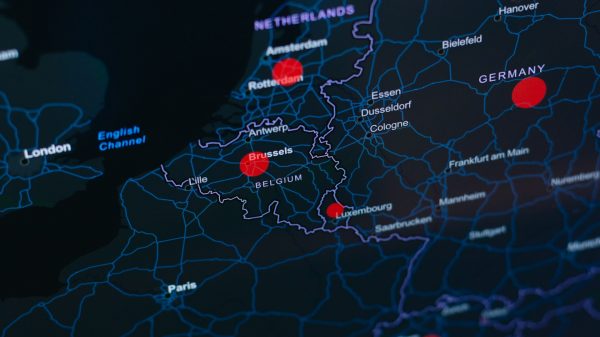
Frankenburg currently operates across eight countries, including Estonia, Latvia, Lithuania, Germany, the United Kingdom, Denmark, Poland, and Ukraine.
The company’s long-term strategy centres on manufacturing systems close to where they are deployed, strengthening national industrial ecosystems and shortening supply chains.
According to Sten Tamkivi, scalable missile production will become a defining element of Europe’s defence posture.
“In a world where adversaries can deploy tens of thousands of autonomous attack drones, defence must be cheap, fast, and available in millions of units,” Tamkivi said.
Europe’s Defence Industrial Rebuild
For decades, much of Europe’s defence manufacturing capacity declined or moved abroad.
The geopolitical shifts of the past several years have reversed that trend, triggering renewed investment in sovereign defence production infrastructure.
Frankenburg is positioning itself at the centre of that transformation.
If the company succeeds in scaling production the way it plans, it could help establish a new model for European missile manufacturing — one defined by speed, affordability, and distributed production rather than slow, centralised defence procurement cycles.
And as aerial threats continue to multiply, that shift may become essential to maintaining credible deterrence across Europe.