









































































In the dynamic world of tech startups, efficient design and manufacturing processes can set a company apart. For those diving into product development, prototyping, or digital fabrication, the DXF file format (Drawing Exchange Format) is a vital asset. Introduced by Autodesk in 1982 with AutoCAD, DXF enables seamless data exchange across computer-aided design (CAD) systems, making it essential for industries like manufacturing, architecture, and engineering. This article explores the DXF format’s structure, applications, and practical value for startups and developers, offering insights to help innovative teams leverage it effectively.
What is a DXF File?
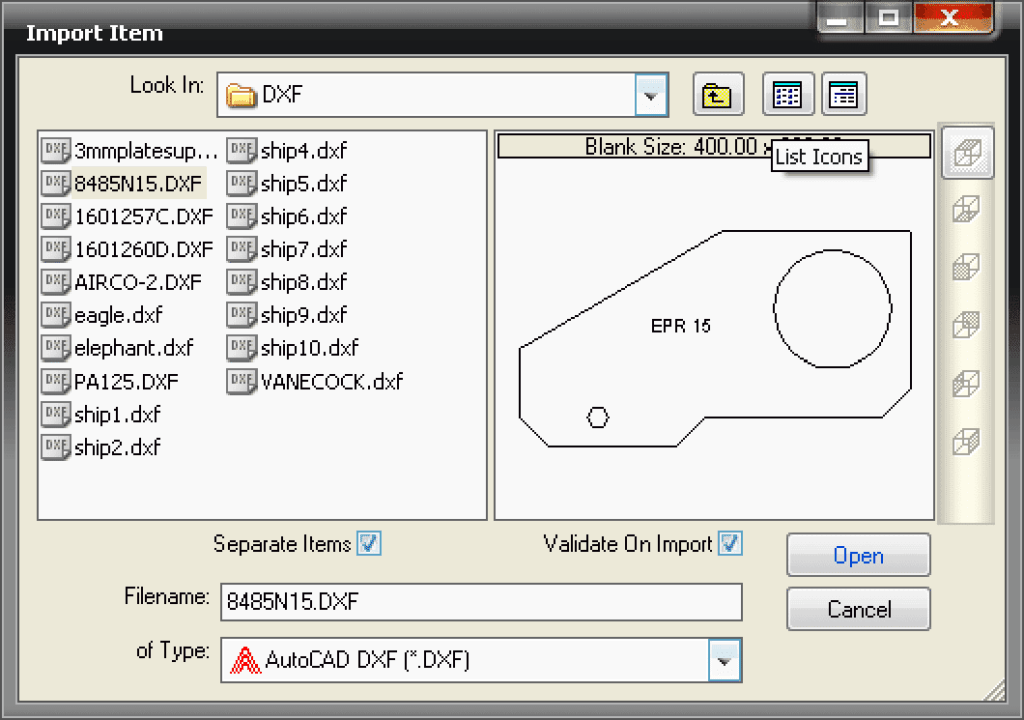
A DXF file is a CAD file format designed to ensure interoperability between AutoCAD and other CAD software. Unlike AutoCAD’s proprietary, binary DWG format, DXF is open and primarily text-based (ASCII), though a binary version exists. Its core purpose is to represent 2D and 3D design data accurately, allowing different platforms to share drawings without compatibility barriers.
For startups, DXF’s open nature is a significant advantage. It supports collaboration across a range of tools, from premium CAD suites like SolidWorks to open-source options like FreeCAD. Whether designing a product prototype or preparing files for CNC machining, DXF keeps designs accessible and editable, fostering flexibility in resource-constrained environments.
Why DXF Matters for Startups
Startups often face tight budgets and rapid iteration cycles, making cost-effective, versatile tools critical. DXF stands out for several reasons:
- Interoperability: DXF files can be opened by nearly all CAD software, reducing reliance on specific vendors. This is invaluable for startups working with external manufacturers or freelancers using diverse tools.
- Cost Efficiency: Free or affordable CAD programs like LibreCAD or QCAD support DXF, allowing startups to sidestep costly software licenses in their early stages.
- Scalability: DXF handles both simple 2D sketches and complex 3D models, accommodating projects of varying scope as a startup grows.
- Manufacturing Compatibility: DXF is a standard for CNC machines, laser cutters, and 3D printers, simplifying the shift from design to production.
These benefits make DXF a practical choice for startups aiming to streamline workflows and maximize resources.
Anatomy of a DXF File
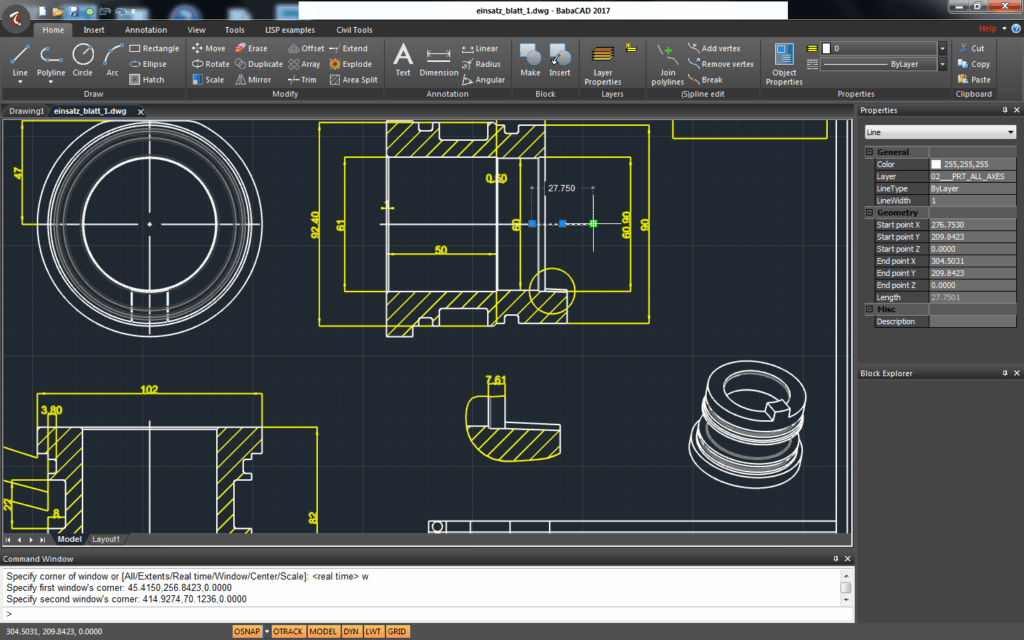
Understanding DXF’s structure is key to leveraging it effectively. A text-based DXF file is organized into sections that define different aspects of a drawing. These sections include:
- HEADER: Stores metadata, such as drawing units, scale, and AutoCAD version.
- CLASSES: Defines custom object classes, though rarely used in simple files.
- TABLES: Contains symbol tables for layers, linetypes, and text styles.
- BLOCKS: Defines reusable components, like symbols or shapes.
- ENTITIES: Includes the actual drawing objects, such as lines, circles, or polylines.
- OBJECTS: Holds non-graphical data, like dictionaries.
- EOF: Marks the file’s end.
Each section contains tagged data, with each tag consisting of a group code (an integer) and a value. For example, a line in a drawing would be defined by coordinates for its start and end points, assigned to a specific layer. This structured approach ensures precision and compatibility across systems.
Practical Applications for Startups
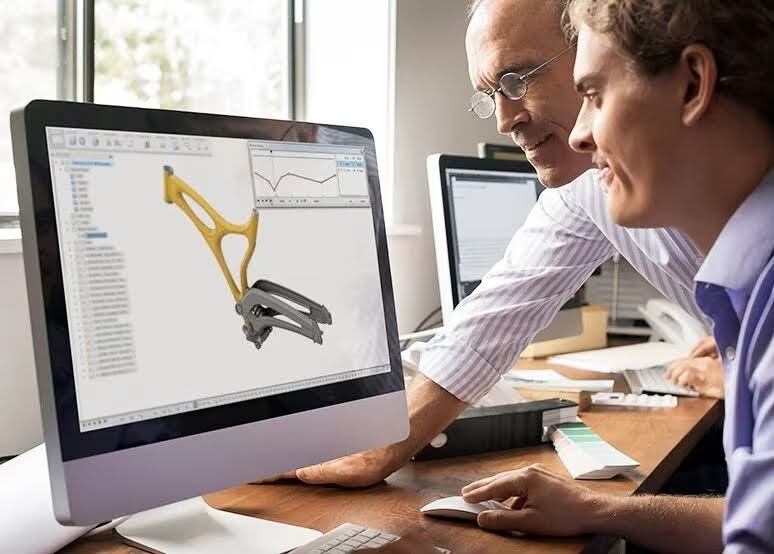
DXF’s versatility supports a range of use cases critical for startups:
- Product Design and Prototyping: Startups developing physical products can use DXF to create precise 2D blueprints or 3D models. For instance, a hardware startup designing a wearable device can draft components for laser cutting or 3D printing.
- Manufacturing and Fabrication: DXF is widely used for CNC machining, plasma cutting, and waterjet cutting. Manufacturers often require DXF files to program their equipment, ensuring accurate production.
- Collaboration: DXF facilitates file sharing with partners, from design firms to fabrication shops, without compatibility concerns.
- Open-Source Integration: Developers building custom tools can tap into DXF’s open format to create plugins or scripts. Libraries like Python’s ezdxf or .NET’s netDxf make it easy to read and write DXF files programmatically.
These applications highlight DXF’s role in bridging design and production, enabling startups to iterate quickly and collaborate effectively.
Challenges and Considerations
Despite its strengths, DXF has limitations that startups should navigate:
- Complexity with Modern CAD: As CAD software has advanced, DXF has struggled to fully support complex features like dynamic blocks. Some DWG elements may not translate perfectly to DXF, risking data loss.
- File Size: Text-based DXF files can be large compared to binary formats like DWG, especially for detailed designs. Compressing files can help manage this.
- Version Compatibility: Different CAD programs support varying DXF versions (e.g., R12, R2000). Startups must confirm compatibility with their tools and partners.
- Quality Control: Free DXF files from online sources may contain errors, which can disrupt manufacturing. Always validate files before use.
Awareness of these challenges allows startups to plan workflows that mitigate potential issues.
Best Practices for Working with DXF

To maximize DXF’s benefits, consider these guidelines:
- Select Appropriate Tools: Choose software that aligns with your team’s needs. FreeCAD and LibreCAD are ideal for budget-conscious startups, while AutoCAD or Fusion 360 offer advanced features for scaling businesses.
- Optimize File Structure: Keep DXF files clean by minimizing unnecessary layers or entities. This reduces file size and enhances compatibility.
- Test Before Production: Validate DXF files with your manufacturer’s software or a simulator to catch errors early.
- Leverage Automation: Use scripting libraries like ezdxf to automate repetitive tasks, such as generating DXF files for custom designs. This is particularly useful for startups building tailored pipelines.
- Document Processes: Maintain clear documentation of DXF-based workflows to streamline onboarding and collaboration.
These practices ensure startups can use DXF efficiently and avoid common pitfalls.
Case Study: A Startup’s Success with DXF
Imagine Innovate Designs, a startup creating modular home appliances. Initially, the team relied on proprietary CAD software, incurring high licensing costs. By adopting DXF and open-source tools like FreeCAD, they cut expenses and collaborated seamlessly with local CNC shops. They also used Python scripts to automate DXF file generation for custom components, reducing prototyping costs by 25% and speeding up their market entry. This example underscores DXF’s value for lean startups navigating competitive markets.
Future of DXF in the Startup Ecosystem
As digital fabrication and Industry 4.0 advance, DXF’s role will continue to evolve. Key trends include:
- AI Integration: AI-driven design tools may generate DXF files optimized for material efficiency or structural performance.
- Cloud-Based Collaboration: Platforms like Onshape are enhancing DXF’s accessibility through cloud workflows, enabling real-time teamwork.
- Sustainability: DXF’s precision supports sustainable manufacturing by minimizing material waste in CNC processes.
Startups that embrace DXF now will be well-equipped to capitalize on these innovations, maintaining agility in fast-paced industries.
Conclusion
The DXF file format is a powerful tool for startups, bridging the gap between design and production. Its open nature, interoperability, and compatibility with manufacturing processes make it ideal for resource-constrained teams. By understanding DXF’s structure, applications, and best practices, entrepreneurs and developers can streamline workflows, reduce costs, and bring innovative products to market. Whether you’re prototyping a gadget or scaling a manufacturing pipeline, DXF offers the flexibility and precision needed to succeed. As startups navigate the challenges of rapid iteration and collaboration, DXF remains a trusted ally in the pursuit of innovation.