




















































It is good business sense to hire a freelancer – here are some top tips
Like many entrepreneurs, I am part of what is called ‘the gig economy’. While a particular project may involve a temporary team of other subcontractors, I essentially provide my services from a home office.
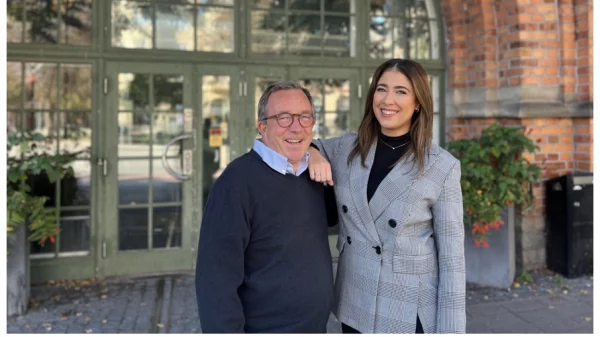
Freelancers are a flexible ‘safe pair of hands’ and can be a vital part of growing your enterprise, so I met with Alison Grade, author of The Freelance Bible to get her best advice.
Alison started in the film industry first as a freelance runner and then worked her way up to be a producer. She now helps freelancers and self-employed, providing face-to-face workshops and on-line content. She explained that there are typically three common instances when a freelancer can add real value.
First there is an occasional task which requires a key skill. The most common example is increasing your organisation’s presence on social media, with great content and a deep understanding of the how best to use various platforms, including LinkedIn, TikTok, X (formerly Twitter), Instagram and Facebook.
This is a constantly moving target, as the platform suppliers are forever changing their algorithms and other methodologies for promoting your content. We all dream of our content ‘going viral’, with an inexpensive post creating positive feedback, so an expert social media strategy is essential and typically provided by an external agency or lone freelancer.
Another good use of a freelancer is to provide specialist skills or expertise to a more traditional company looking to be more enterprising or even entrepreneurial, This could be a new business opportunity to be provided to an existing happy client or finding a new customer segment.
Finally, freelancers can plug a gap in your workforce to cope with people leaving, retirement, sickness, or maternity leave. A hidden advantage to all three instances is that an expert freelancer will have excellent market knowledge and provide key guidance without, of course betraying any confidences.
Once way of finding freelancers is to advertise on a job board or LinkedIn. This will inevitably result in a deluge of applications, both from the local area and enterprising individuals abroad who claim eye-wateringly low day rates with 100% remote working.
This is fine if your only challenge is to get a simple graphic created, but anything more complicated requires a more rigorous approach. My firm belief is that a top-quality freelancer is worth their weight in gold. The problem is where to find them.
The reality is that all the best freelancers keep firmly ‘under the radar’. They have built up a small number of high-quality clients who treat them well by both providing interesting work while not being difficult to deal with. They very rarely advertise their services, as they don’t need to; the phone is always ringing.
Alison Grade’s workshops focus on all the ins and outs of providing part-time or occasional services. This includes building up an initial client base and how to encourage ‘word of mouth’ referrals.
Finally, there is the complexity of good project management when the client seems to change their mind every week about exactly what they want. This can be tiresome at times, but freelancers know that ‘the meter is always running’, and part of the reason you have been engaged is to be cheerful and flexible when this happens.
I am often reminded of the expert guidance for musicians provided in the excellent book Beyond The Jukebox by Scott Bradlee of the fabulous Postmodern Jukebox. He reminds them that, for all their aspirations of stardom, at a corporate event they are no more important than the ice sculpture and should turn up on time, bring their own equipment, and, above all, be nice to the client.
So, my advice is to ask your network for recommendations, then first give them a small task to check their abilities and cheerfulness. I call this the ‘try me and prove me’ approach when extolling my own skills at sales or content generation.
Maybe you are now interested in becoming a freelancer yourself or just developing a ‘side hustle’ to your regular work, turning your hobby and passion into a new revenue stream.
I’ll show you how best to be ‘a safe pair of hands’ in a future column, but suggest you first check out Alison Grade’s excellent, book The Freelance Bible, workshops and online content.
Alison Grade: https://alisongrade.com