
































































As the global race to scale AI infrastructure intensifies, a less visible but critical constraint is slowing progress: energy. Hyperscale data centers—the backbone of AI compute—are increasingly facing delays not because of chips or capital, but due to grid limitations and supply chain bottlenecks in power generation equipment.
A new approach from Orcan Energy offers a compelling solution—turning a long-ignored byproduct of power generation into a strategic advantage.
The Hidden Bottleneck: Power, Not Compute
While AI innovation accelerates at breakneck speed, the infrastructure supporting it is lagging behind. In major digital hubs, grid interconnection wait times can stretch up to 10 years, forcing operators to build on-site power plants—typically using natural gas turbines.
But here lies the second bottleneck:
Gas turbines themselves come with lead times of up to three years.
This double constraint creates a cascading problem:
- Delayed deployment of AI capacity
- Increased capital lock-up
- Slower time-to-revenue for operators
In an industry where speed is everything, waiting years for power is no longer acceptable.
Waste Heat: From Byproduct to Power Source
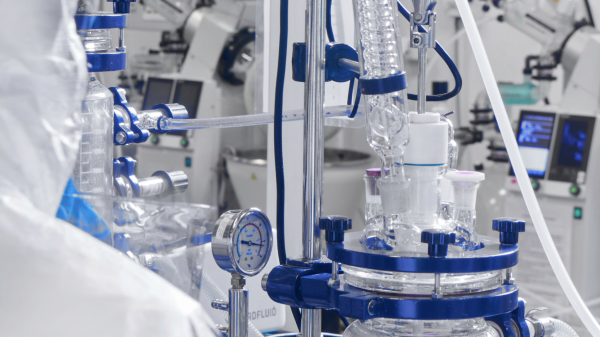
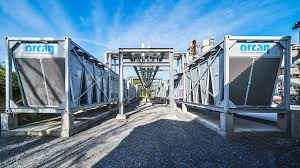
Orcan Energy’s answer lies in Waste Heat Recovery (WHR) using Organic Rankine Cycle (ORC) technology.
Instead of letting exhaust heat dissipate into the atmosphere, their systems capture and convert it into usable electricity—on-site and in real time.
Their flagship solution, the efficiency PACK eP 1000, delivers:
- Over 1 MW net electrical output per unit
- Up to 35% additional baseload power
- Fully modular, containerized deployment
- Installation in under one month
This transforms waste heat from an inefficiency into a strategic energy asset.
Engineering Around Supply Chain Constraints
The real innovation isn’t just energy efficiency—it’s supply chain bypass.
By generating additional power from existing turbine exhaust, data centers can:
- Reduce the number of required gas turbines
(e.g., 11 instead of 15 for a 260 MW site) - Cut fuel consumption by up to 25%
- Accelerate time-to-power by ~9 months (25%)
In practical terms, this means operators can reach full capacity faster without waiting for backlogged equipment.
A New Timeline for Data Center Deployment
Traditional model:
- Wait years for grid connection
- Order turbines (3-year lead time)
- Gradually ramp up capacity
With WHR integration:
- Install fewer turbines
- Add modular ORC units (delivery <12 months)
- Generate additional power immediately
The result is a fundamentally different construction and scaling timeline—one that aligns with the pace of AI demand.
Economics That Actually Work
Beyond speed, the financial case is strong:
- ROI in under 4 years
- Reduced CAPEX (fewer turbines required)
- Lower OPEX (less fuel consumption)
- Faster revenue realization due to earlier commissioning
This combination of efficiency + acceleration + cost reduction makes WHR not just a sustainability play—but a core business optimization strategy.
The Bigger Picture: Sustainable AI Infrastructure
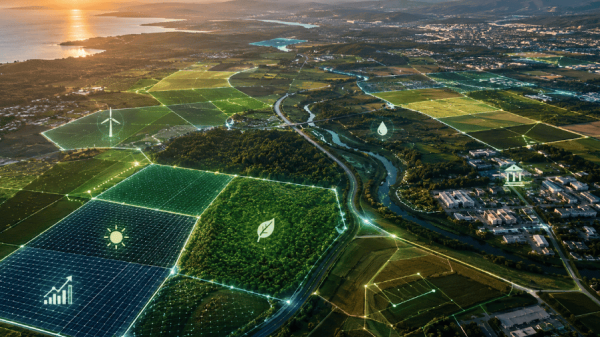
The AI boom is often criticized for its energy footprint. Solutions like Orcan Energy’s shift the narrative—from consumption to optimization.
By:
- Reducing wasted energy
- Lowering emissions per MW
- Increasing output without additional fuel
WHR contributes directly to building more sustainable, scalable digital infrastructure.
As Andreas Sichert puts it:
“The era of venting usable heat into the atmosphere is over.”
Conclusion
The future of AI infrastructure won’t be defined solely by compute power—but by how efficiently we generate and manage energy.
Waste heat recovery represents a rare win across all dimensions:
- Faster deployment
- Lower costs
- Reduced environmental impact
In a world constrained by both physics and supply chains, engineering innovations like this may prove to be the real accelerators of the AI era.