

























































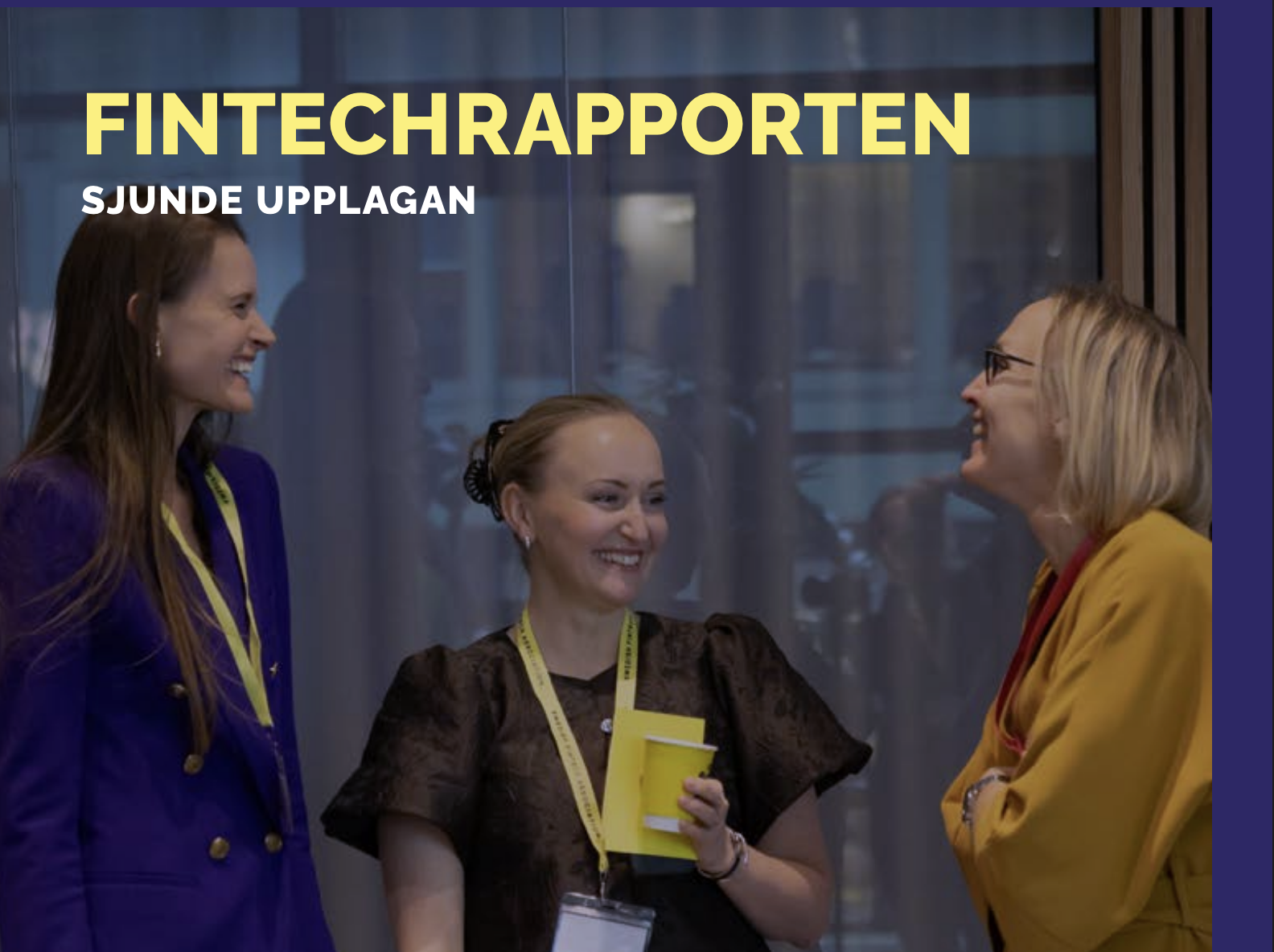
The Swedish FinTech Association (SweFinTech) has released its seventh annual report, providing a definitive look at one of Europe’s most prominent tech hubs. The 2026 report, titled “Shifting focus from growth to sustainable profitability,”reveals a sector in transition. After years of “growth at all costs” fueled by easy capital, the Swedish fintech scene is maturing into a leaner, more resilient, and increasingly profitable industry.
A New Financial Reality: Profitability Over Expansion
The most striking takeaway from the 2026 report is the surge in profitability. For the first time, nearly half of the association’s member companies (45%) report being profitable—a significant 13 percentage point increase from the previous year.
This shift is not merely a choice but a necessity born from a tightening capital market. The report notes that 2025 saw the lowest rate of capital raising since SweFinTech began tracking the data, with only 41% of companies seeking external funding. Instead of relying on venture capital to fund operations, Swedish firms are focusing on internal efficiency, resulting in a stabilization of headcounts and a more cautious approach to recruitment.
The Regulatory Ceiling
While the financial health of these companies is improving, their relationship with the regulatory environment remains strained. A staggering 81% of fintechs describe the current regulatory burden as “heavy,” and 71% report that compliance costs have increased significantly.
The report highlights a growing concern regarding “gold-plating”—the practice of Swedish authorities implementing stricter requirements than those mandated by the EU. For the first time, IT security and operational resilience (driven by the DORA regulation) have overtaken Anti-Money Laundering (AML) as the primary regulatory challenge for firms.
Furthermore, the industry’s relationship with the Financial Supervisory Authority (Finansinspektionen) appears to be at an ebb. Only 43% of companies feel that dialogue with the regulator is functioning well, and 80% characterize the quality of regulatory guidance as “mediocre” or “poor.”
The “De-risking” Crisis
One of the most persistent hurdles for Swedish fintechs remains access to basic banking infrastructure. Approximately one-third of the companies surveyed reported difficulties in opening or maintaining a bank account at a Swedish bank.
This phenomenon, known as “de-risking,” continues to plague payment service providers and crypto-related firms. Despite government efforts to address the issue, many fintechs express a sense of resignation, noting that legal or administrative appeals rarely result in a change of stance from the major banks.
The Path Forward: SweFinTech’s Proposals
To ensure Sweden remains a global leader in financial innovation, the 2026 report outlines several key policy recommendations:
- Strengthening the Right to a Bank Account: Implementing stricter requirements for banks to provide transparent reasons for denying service.
- Modernizing Talent Incentives: Expanding the “qualified employee stock option” (KPO) system to allow fintechs to compete for global talent.
- Creating a National Debt Register: Establishing a comprehensive system to help firms better assess consumer creditworthiness and prevent over-indebtedness.
- Advancing Open Finance: Full support for the EU’s Financial Data Access (FiDA) framework to foster competition.
Conclusion
The 2026 SweFinTech report paints a picture of an industry that has grown up. The “wild west” era of rapid expansion has been replaced by a focus on sustainable business models. However, the report serves as a warning to policymakers: while the companies themselves are becoming more stable, the combination of high compliance costs, a lack of regulatory guidance, and banking barriers could stifle the next wave of Swedish innovation.