













































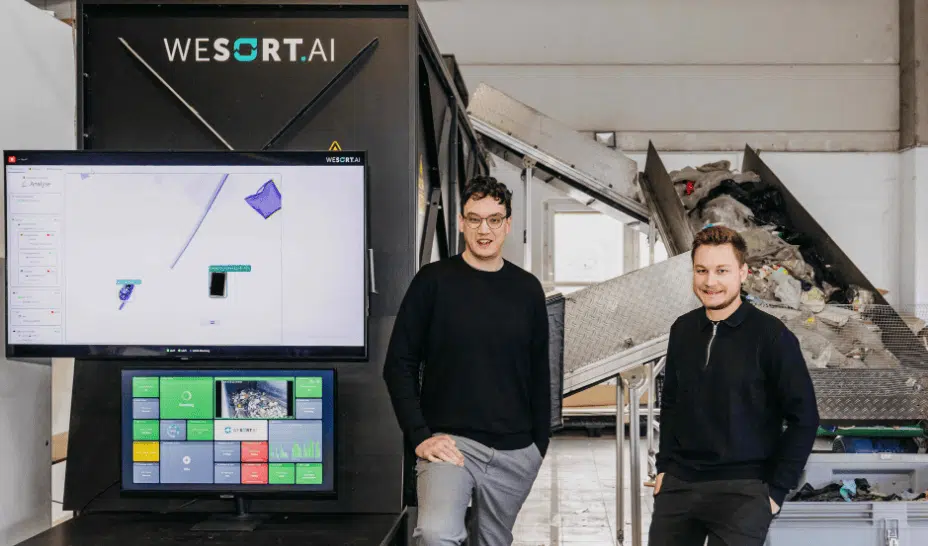
The Würzburg startup uses AI, cameras, and X-ray imaging to detect batteries and e-waste in the wrong bins — recovering lithium, cobalt, and rare earths that would otherwise be lost, and preventing the fires that misplaced batteries routinely cause in recycling plants.
The round
WeSort.AI has closed a €10 million funding round led by impact investors Infinity Recycling, Green Generation Fund, and Vent.io, alongside SPRIND — Germany’s federal agency for disruptive innovation — and additional public funding sources. The BayStartUP investor network supported the raise. The company says the capital will be used to scale market presence across Europe and strengthen the continent’s sovereignty over critical raw materials.
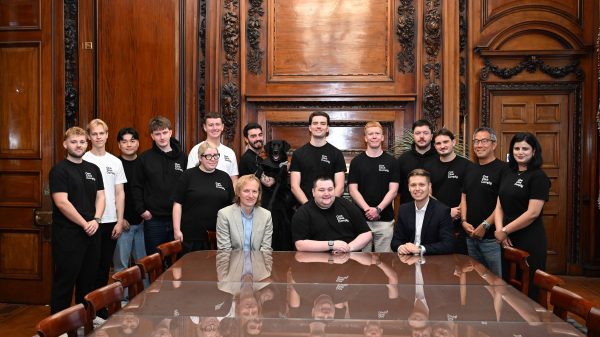
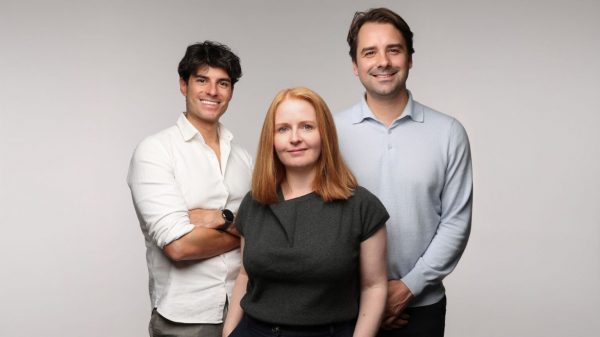
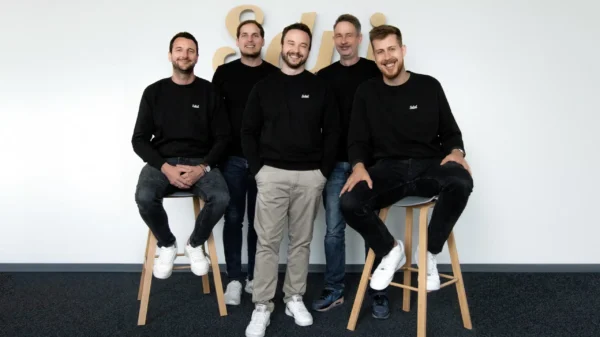
The Würzburg-based startup, founded in 2021 by brothers Nathanael and Johannes Laier, develops AI-powered sorting systems for the recycling industry. Its core technology combines artificial intelligence, specialised cameras, and X-ray imaging to identify misplaced batteries, electrical appliances, and other high-value waste in the wrong recycling streams — and automatically reroute them for proper processing.
“By recovering previously unused critical raw materials from waste, we are tapping into a previously untapped ‘urban mine’ and contributing directly to the implementation of EU requirements.”
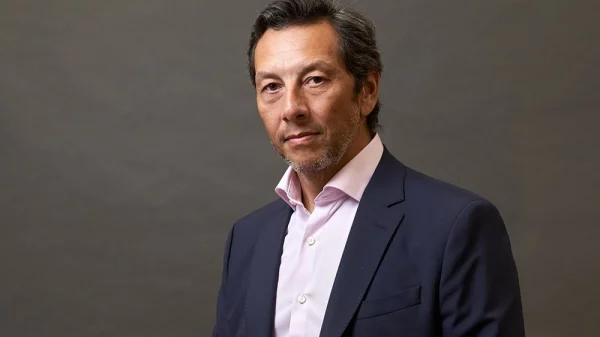
Nathanael Laier and Johannes Laier, Co-founders, WeSort.AI
The problem it solves
More than half of all discarded electrical appliances and batteries in Europe do not reach specialist recyclers. Instead they end up in residual waste or mixed recycling streams — taking lithium, cobalt, and rare earth elements with them. Beyond the resource loss, misplaced batteries are a well-documented fire hazard: they ignite regularly inside waste processing plants, causing damage and downtime.
WeSort.AI’s system has been operational since 2024 at KORN Recycling and PreZero, the waste management arm of the Schwarz Group — the retail conglomerate behind Lidl and Kaufland. The company says the technology is applicable across multiple waste categories.
- End-of-life vehicles
- Consumer electronics
- Construction waste
- Industrial and household waste
The European context
The timing of this raise sits squarely within a broader policy push. The EU Critical Raw Materials Act sets binding targets for domestic sourcing and processing of materials considered essential for the green and digital transitions. At present, Europe is heavily dependent on imports: rare earths from China, lithium from Chile, cobalt from the Democratic Republic of Congo. These supply dependencies carry both economic and geopolitical risk — a vulnerability that has sharpened considerably in recent years.
WeSort.AI positions its technology as a practical tool for closing that gap — recovering domestically what is already present in the waste stream, rather than relying on primary mining or import chains. The Battery Sort product, which targets lithium-ion batteries in particular, holds a patent that the company and its investors describe as providing meaningful competitive protection internationally.
“The Battery Sort solution is unique in its form worldwide and, with its patent, is strongly protected from competition on the international market.”
Peter Dorfner, Partner, Green Generation Fund
Investor perspectives
INFINITY RECYCLING
Impact fund making its first German investment. Cited fire prevention and critical material recovery as the core reasons for backing WeSort.AI.
GREEN GENERATION FUND
Highlighted the patent-protected Battery Sort product and its global uniqueness as a key differentiator in the investment thesis.
SPRIND
Germany’s federal disruptive innovation agency, whose participation signals public-sector alignment with the EU raw materials sovereignty agenda.
VENT.IO + PUBLIC FUNDING
Further backing from Vent.io and public sources, facilitated through the BayStartUP investor network.
STARTUP MAFIA TAKE
WeSort.AI is a clean case of a regulatory tailwind meeting a genuine operational problem. Recycling plant fires caused by misplaced batteries are a real and underreported issue — the use case doesn’t need much selling. What will determine whether this becomes a category-defining company is how quickly the technology can be deployed at scale across different waste management operators and geographies, and whether the patent protection around Battery Sort holds up as the market heats up. The EU’s CRM Act creates a strong procurement incentive for exactly this kind of infrastructure; the question is execution speed.