
























































With valuations soaring and cautionary voices rising, how fragile is today’s AI startup ecosystem?
Valuations Skyrocket — Alarm Bells Ring
The artificial intelligence startup landscape is booming in 2025, but leading voices warn of dangerous overheating.
OpenAI CEO Sam Altman recently cautioned that “someone’s gonna get burned” as AI funding rounds reach astronomical levels. He compared the current frenzy to the late-1990s dot-com bubble, where overvaluation and speculation led to massive crashes. (Times of India)
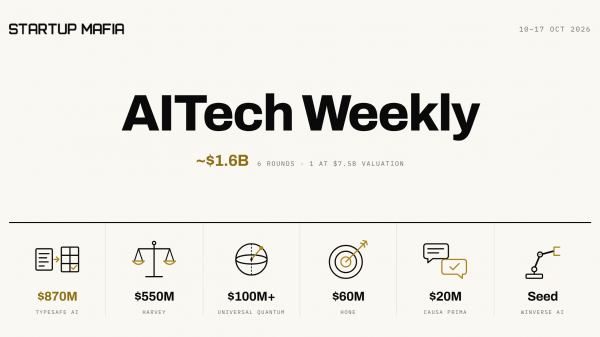
The warning comes as OpenAI itself reportedly explores a secondary share sale valuing the company at half a trillion dollars, while rivals like Cohere have raised half a billion in a single round.
Big Tech Snatches Talent — Startups Lose Out
Adding to the pressure, big tech firms are hiring aggressively from the AI talent pool.
Microsoft, Meta, Amazon, and Alphabet are said to be engaging in “reverse acquihires” — bypassing startup acquisitions by directly recruiting whole teams of researchers. (Wall Street Journal)
For startups, this trend is alarming: it drains them of talent while leaving their business models vulnerable, and it reinforces fears that innovation will consolidate in the hands of a few giants.
Survival of the Fittest — Startups Collapse or Pivot
Not all companies can ride the AI wave. In India, multiple AI startups — including Wuri, CodeParrot, Subtl.ai, and Locale.ai — have recently shut down after failing to scale or secure further capital. (Economic Times)
Analysts say this underlines a harsh reality: hype alone is not enough. Founders must pivot quickly, seek defensible niches, and demonstrate real-world value beyond generative AI hype.
Advice from Industry Insiders
Despite turbulence, some leaders remain optimistic. OpenAI’s Greg Brockman has argued it is “not too late” to build AI startups — but only if founders focus on deep domain expertise and meaningful applications rather than superficial AI wrappers. (Business Insider)
Anthropic’s Mike Krieger suggests three keys to survival:
- Specialize in niche domains where big tech is less likely to compete.
- Build close customer relationships that anchor loyalty.
- Experiment with unconventional interfaces to stand apart in user experience. (Business Insider)
Another way for startups to adopt AI is by using the technology to accelerate software product development. According to Mykhailo Kopyl, CEO of the web and mobile development company Seedium, this kind of human–AI collaboration unlocks enormous opportunities for startup founders. This includes fast prototyping and quicker refactoring without large investments.
For early-stage startups, this shift represents more than just a productivity boost, but a transition from viewing AI as a hype feature to embracing it as a core enabler of faster, smarter, and more sustainable product development.
Conclusion
The AI startup ecosystem is at an inflection point. Valuations are soaring, big tech is tightening its grip, and smaller players are being forced to adapt or disappear.
The parallels with the dot-com era are hard to ignore. Yet unlike the speculative bubbles of the past, today’s AI revolution is backed by real technological breakthroughs. The question is: which startups will turn those breakthroughs into lasting businesses — and which will become cautionary tales of another bubble burst?