






































Nice-based company aims to become the “Google Maps” of the seafloor with AI-powered underwater drones
While tech giants race to map every street corner on land, a French startup is tackling an even more ambitious challenge: creating detailed maps of the ocean floor to protect marine life and guide sustainable development beneath the waves.
Cosma, a deeptech company based in Nice, has raised €2.5 million to scale its fleet of autonomous underwater drones that capture massive datasets of deep-sea ecosystems. The funding round, led by venture capital firms WIND and Ternel, signals growing investor appetite for ocean technology solutions as marine biodiversity faces mounting pressure from climate change and industrial development.
The Ocean’s Blind Spot
The scale of our ocean ignorance is staggering. Less than 25% of the seafloor has been mapped with high precision, and scientists estimate that fewer than 1% of marine species have been discovered and catalogued. This knowledge gap creates a critical problem for industries operating underwater—from offshore wind farms to submarine cables—who often work blind when it comes to the environmental impact of their projects.
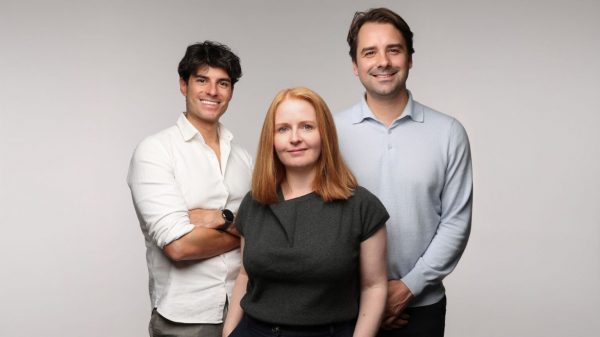
“Biological data should be just as accessible and reliable as physical measurements in marine projects,” says Frédéric Mittaine, Cosma’s CEO. “Our technology enables large-scale operations while placing biodiversity at the heart of decision-making.”
Founded in 2022, Cosma emerged from IFREMER, France’s leading ocean research institute, where the technology was originally developed. The startup has since attracted an impressive roster of early clients, including renewable energy giant RWE, engineering firm EGIS, conservation organization WWF, and the French Navy.
Underwater Intelligence at Scale
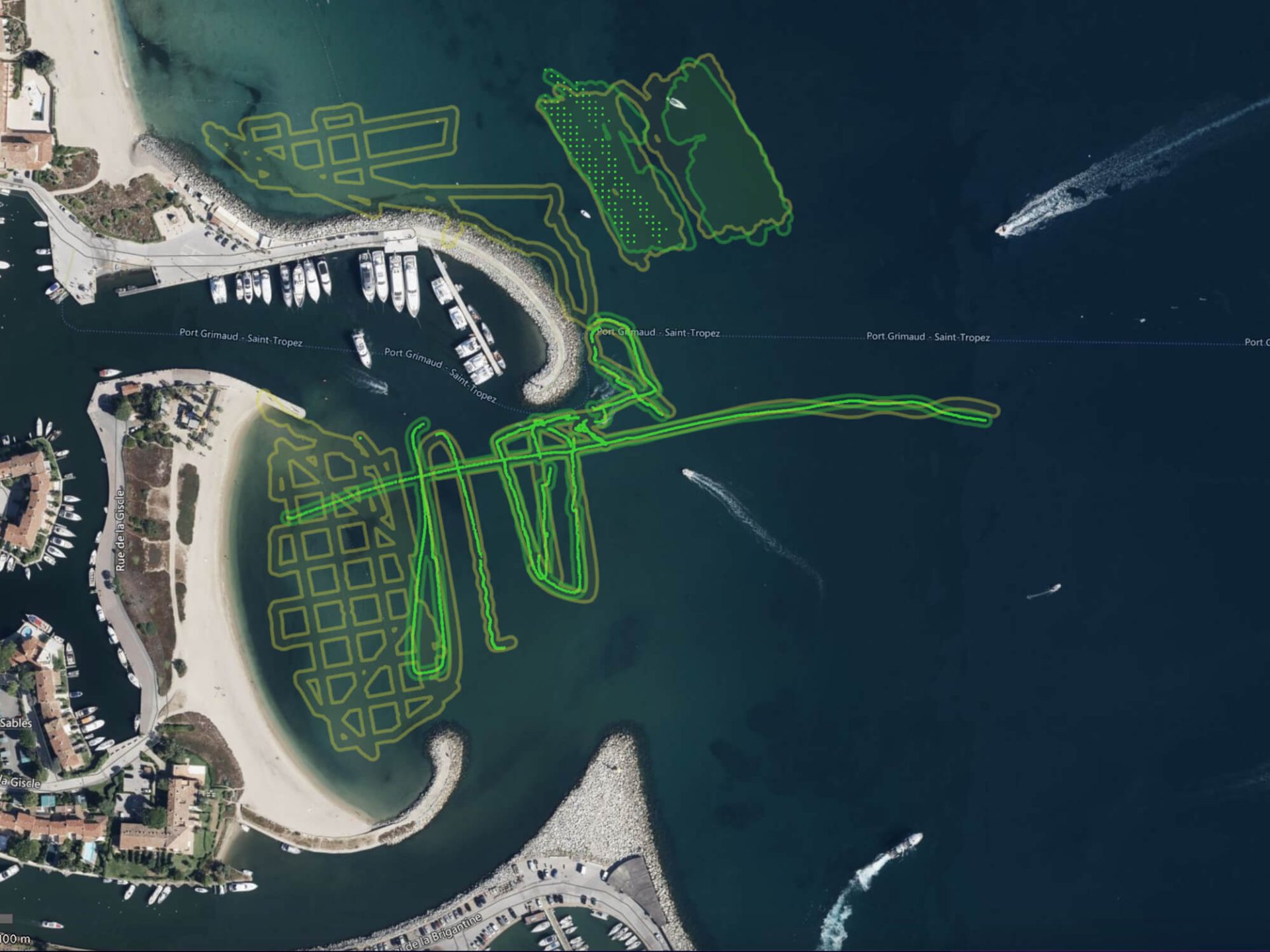
Cosma’s autonomous robots can capture up to 100,000 high-resolution images per hectare of seabed, using advanced 3D photogrammetry to create detailed digital twins of underwater environments. The company’s AI algorithms then analyze these vast image datasets to identify different habitats and species, creating what investors describe as the potential “Google Maps of the seafloor.”
The technology addresses multiple critical needs simultaneously. Marine biologists can use the data for conservation research, while offshore developers can identify sensitive species and habitats to avoid during construction. The system also helps monitor the health of underwater infrastructure and assess the role of seagrass meadows in preventing coastal erosion.
“WIND was convinced by Cosma’s groundbreaking technology and its ability to protect both marine ecosystems and critical infrastructure,” explains Olivier Mougenot, General Partner at WIND.
Timing the Ocean Economy Wave
The funding comes at a pivotal moment for the ocean economy. As countries accelerate offshore renewable energy development to meet climate goals, demand is surging for technologies that can balance industrial growth with environmental protection. The European Union’s commitment to offshore wind expansion, combined with stricter biodiversity regulations, creates a substantial market opportunity for Cosma’s services.
Romain Charraudeau, Director of Technology Transfer at IFREMER, emphasizes the broader significance: “The need for knowledge is immense, and COSMA opens up new perspectives to better observe, understand, and protect our ocean.”
The €2.5 million equity round, supported by additional investors including 50 Partners and Caisse d’Épargne Côte d’Azur, will be supplemented by significant public funding through France’s France 2030 program, potentially doubling the total capital secured.
Scaling the Deep
With fresh capital in hand, Cosma plans to industrialize its drone fleet for deep-sea operations, enhance its AI-powered analysis platform, and expand across European markets. The company will continue operating from IFREMER’s underwater systems unit in La Seyne-sur-Mer while building its commercial operations.
“Cosma embodies exactly the kind of innovation we want to support: an exceptional team, a transformational project for the ocean, and a clear vision for impact,” says Timothée Poulain, Partner at co-lead investor Ternel.
As marine biodiversity becomes a critical factor in major maritime infrastructure projects, Cosma is positioning itself at the intersection of environmental science and industrial development—a space that could prove as vast and valuable as the oceans themselves.