


































Emerging from stealth, the German AgTech startup has built an AI-powered harvest robot that works 22 hours a day, prioritising crop quality over speed — the exact trade-off previous greenhouse robots failed to get right.
The round
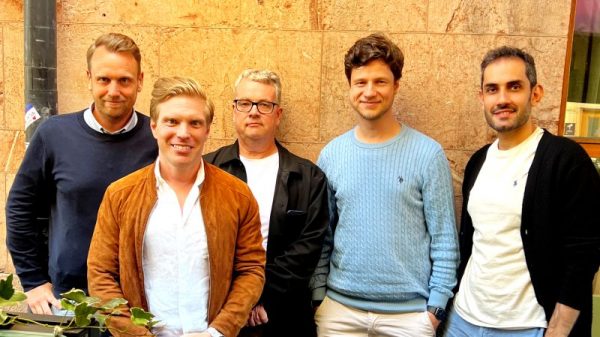
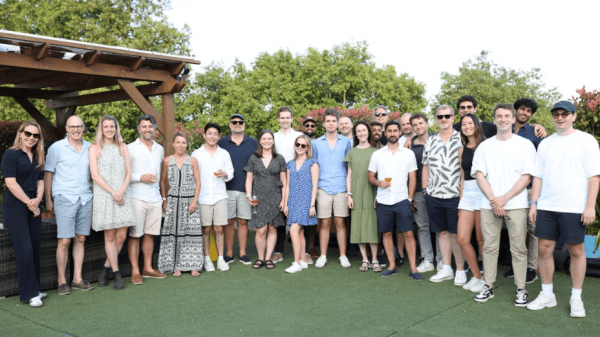
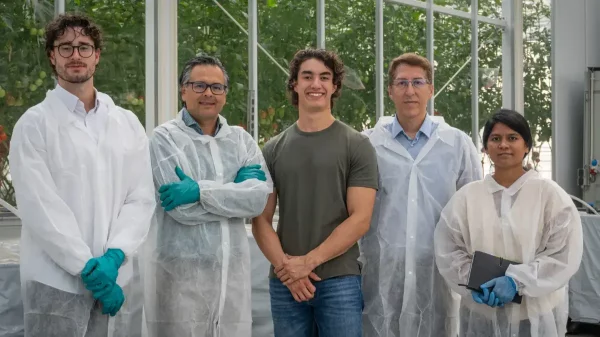
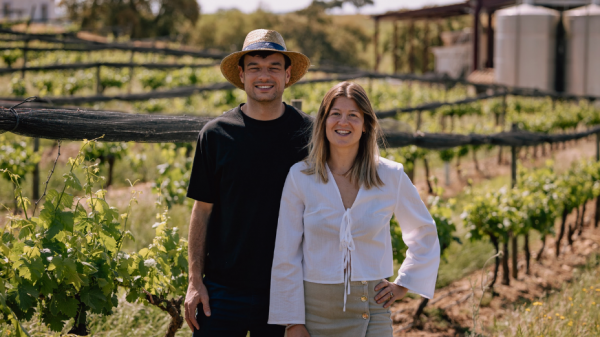
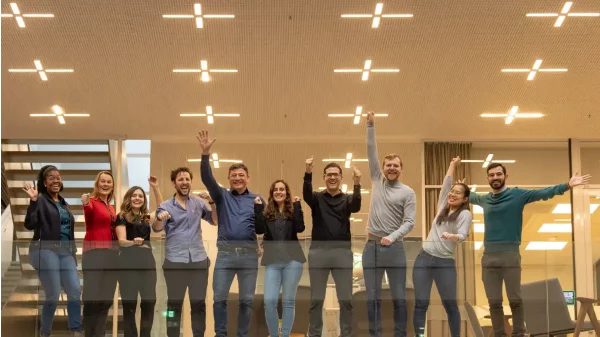
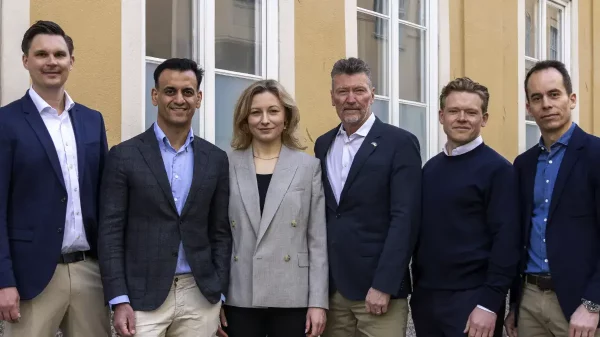
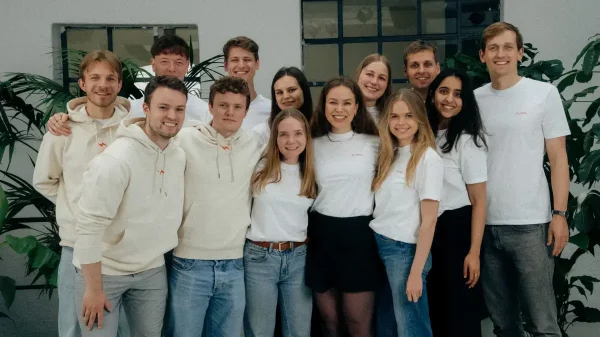
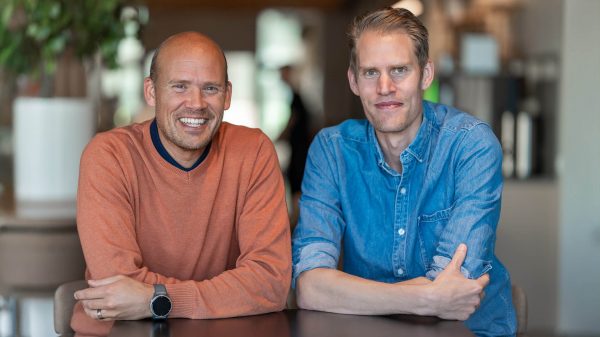
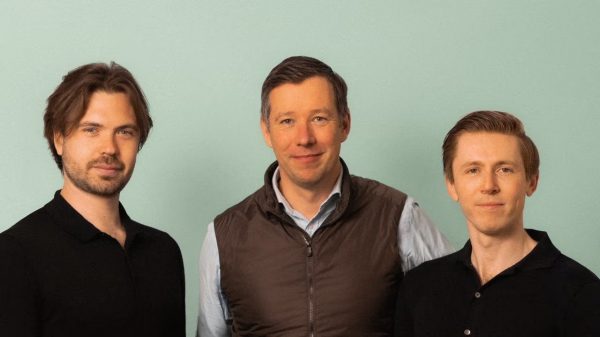
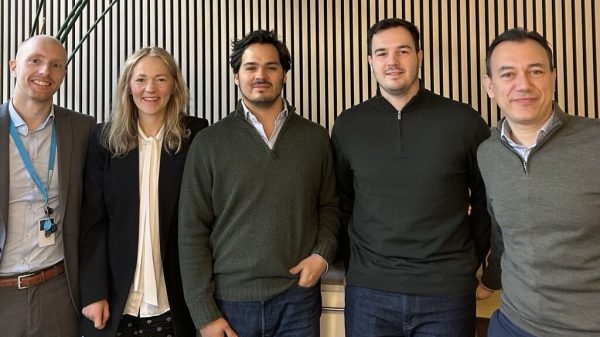
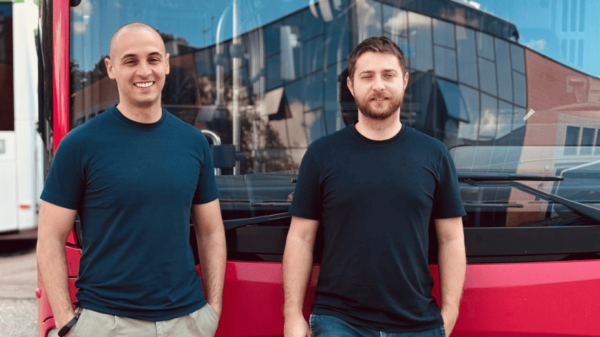
eternal.ag has closed an €8 million funding round as it steps out of stealth. The round brings together German investors Simon Capital and Oyster Bay Venture Capital — the Hamburg-based food and AgTech specialist whose second fund manages over €100 million — alongside Swiss backers EquityPitcher Ventures and Backbone Ventures. The company was founded in 2025 by Renji John and Sherry Kunjachan and currently employs 26 people across its Cologne headquarters and a development office in Bengaluru, India.
The capital will be used to accelerate product development, expand commercial operations across Europe, and extend the platform’s capabilities beyond tomatoes to additional greenhouse crops.
The product
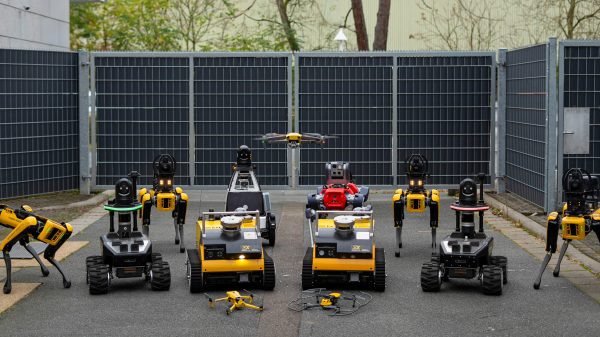
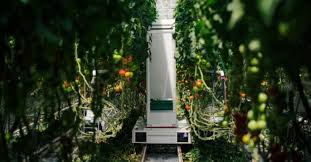
eternal.ag’s first commercial product is Harvester, a fully autonomous robot designed for tomato greenhouses. It operates for up to 22 hours per day and is built around a core insight that previous greenhouse robots missed: speed is not the primary success metric for farmers — harvest quality is. Earlier robotic systems tried to match human picking speed but produced inconsistent results, damaging crops and undermining the economics of automation. eternal.ag’s robots are optimised for precision and reliability instead, ensuring consistent cut quality and minimal product damage.
Harvester is designed as a modular system that can be expanded over time. Once deployed, robots continuously feed operational data back into a central AI system that learns from each greenhouse’s specific conditions and daily routines — shortening iteration cycles from months to days.
“Autonomous robots only work if they can respond to the real differences between individual plants and to the specific conditions and daily routines of each greenhouse. We develop, train, and validate our robots using simulations in virtual greenhouses — so we can correct errors before the robots are ever deployed in the field.”
Renji John, CEO and Co-founder, eternal.ag
Why greenhouse automation, why now
Greenhouse farming has become increasingly strategic for European food security. Unlike open-field agriculture, it is far more resilient to seasonal weather, land scarcity, climate variability, and pests — making it a critical part of year-round fresh produce supply chains. But the sector faces a structural threat: available agricultural labour in Europe has declined by 30% since 2010, and the trend is forecast to continue.
eternal.ag’s vision extends beyond solving today’s labour shortage. By 2040, the company aims to enable fully automated greenhouse operations — continuous, robot-driven production with no requirement for manual intervention. The Harvester is the first step toward that goal, with expansion into additional crop types planned as the technology matures.
THE LABOUR PROBLEM
European greenhouse labour availability has fallen 30% since 2010. Seasonal workers are increasingly difficult to recruit, leaving harvests at risk.
THE QUALITY PROBLEM
Previous harvest robots optimised for speed, causing crop damage. eternal.ag inverts this — reliability and cut quality come first.
THE SIMULATION EDGE
Robots are trained in virtual greenhouse environments before deployment, compressing development cycles from months to days.
THE 2040 TARGET
Fully automated greenhouse operations with no manual intervention — Harvester is the commercial proof-of-concept for that roadmap.
“Greenhouses are one of our best options for growing fresh produce efficiently and sustainably year-round. But the industry is threatened by labour shortages, and robots are the only decentralised and robust solution to secure the food supply going forward.”
Niklas Leske, Principal, Simon Capital
STARTUP MAFIA TAKE
The framing here is sharper than most AgTech pitches: eternal.ag isn’t selling automation in the abstract — it’s solving a specific failure mode of the robots that came before it. The quality-over-speed insight is the kind of thing that sounds obvious in retrospect but clearly wasn’t, given how many previous systems stumbled on crop damage. The virtual greenhouse simulation approach for training is also worth noting — it’s a genuine technical moat if it works as described, turning what would otherwise be months of costly real-world iteration into rapid software cycles. The risks are the usual ones for deep hardware startups: the gap between working prototypes and reliable, scalable commercial deployment is wide, and greenhouses are demanding operational environments. The €8 million will move the needle, but this will need follow-on capital if the 2040 automation vision is to be taken seriously.