























How the defence industry in Estonia is a model for good entrepreneurship
The title of this article is of course a reversal of the famous saying attributed to expert military strategists Sun Zu and Clausewitz. There is plenty to learn from how Estonia uses ingenuity, skill, and hard work to address the complex, timely and potentially highly profitable market of defence technology.
We all have different moral perspectives on defence. I grew up in the 1950s, as we in the UK recovered from a devastating World War to face a differently challenging Cold War. Having a German mother, I was lucky to acquire a balanced perspective of the former as well as first-hand experience of the latter, first when travelling behind the Iron Curtain with my British father, who was a director of UK car manufacturer British Leyland.
One of my earliest business experiences in the 1970s was proudly showing people Triumph TR6 sports cars at the Belgrade Motor Show, surrounded by the more functional Skodas and Moskvitches. I very much enjoyed the glamour and practicality of a successful innovation. Maybe these were the emotional drivers to my later adopting a sales career in information technology.

British Leyland Triumph TR6 (1968–1976)
Today we live in an even more complex and threatening world, all of us now beset by existential threats to ourselves and our families. This is keenly felt in Estonia, where their history and geography make them highly focused and keenly innovative.
I have enjoyed meeting entrepreneurs there from clean technologies, e-government, cyber security, digital identity, artificial intelligence, blockchain, embedded systems and deep technology, some often combining several of these disciplines. But all entrepreneurial roads in Estonia lead to the defence industry.
There is of course of keen interest to investors, from governments themselves to the seasoned hands in Private Equity and Venture Capital. There is also much interest from angel investors, people looking to make relatively low investments in very early-stage companies. These are high-risk opportunities which are statistically likely to fail but are (hopefully) tremendously good fun for an ambitious investor.
One angel investor told me that, following a successful exit from their own company, they invested in ten pre-revenue companies. Five years later, seven had gone under and two were still going. But one had attracted a trade sale at 25 times the value of their initial investment. The investor felt the process had been highly worthwhile, both financially and emotionally.
For defence-related start-ups seeking investment there is a different challenge. If they have a working proof of concept, they will swiftly attract eye-watering offers from a wide range of sources.
Their challenge is in finding ‘smart’ money that adds genuine value, especially providing real sales leverage as well as business credibility. I explain that while I personally never invest in companies, I am happy to give them the best advice that I can and teach them how to pitch successfully to both investors and customers.
At a recent event in Tallinn a defence-related entrepreneur was asked why they were ‘only’ raising €250,000 to further develop their product, not €250M to build a factory. Their response was perfect: “we’re not ready yet”. They knew that a sudden investment of an eye-watering amount of money could being more problems than solutions to their six-person company.
Many entrepreneurs and investors have made a distinct choice not to be involved in the defence Industry on moral grounds. They prefer to focus their attention on other opportunities, such as green technology. This a compelling choice, given the current uncertainty of the energy markets.
However, any discussion on defence technology typically includes the concept of ‘dual use’, an alternate and civilian use for their technology. This is not a new concept. I remember proudly showing off the remarkable innovation of e-mail at the birth of the Internet but realising that this technology was already being used by people of dubious intention to try and monitor our communications.
When the World Wide Web arrived, I demonstrated sites full of free information as well as the ability to buy items online with remarkably quick delivery. Then, the downside of having all your buying history owned by a third party became evident, as well as the evil practice of anonymous on-line abuse, often with heart-breaking outcomes.
Today, many people are frightened by the concept of Artificial Intelligence, predicting the advent of sentient robots demanding our Digital IDs. I share their concern.
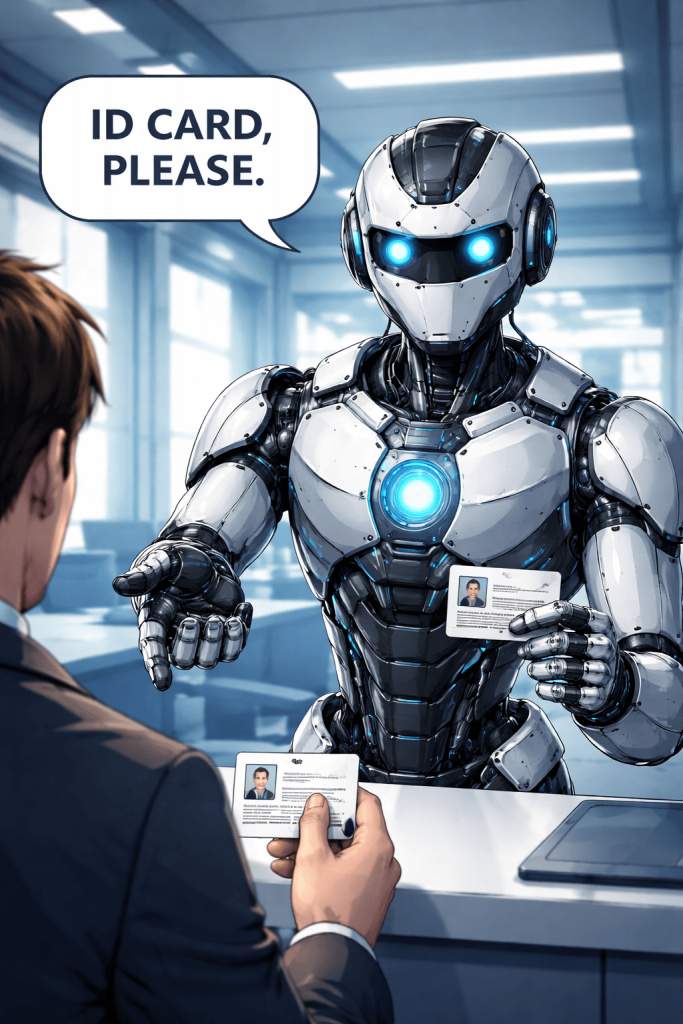
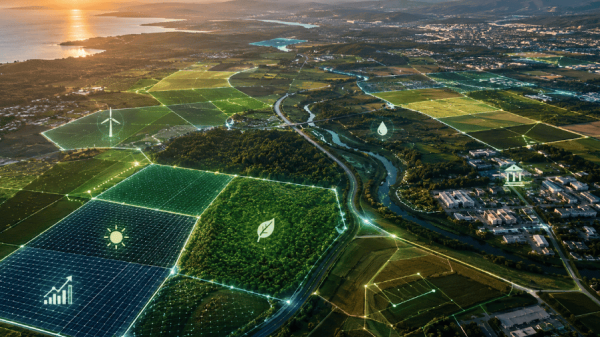
Image (ironically) created by Artificial Intelligence (ChatGPT)
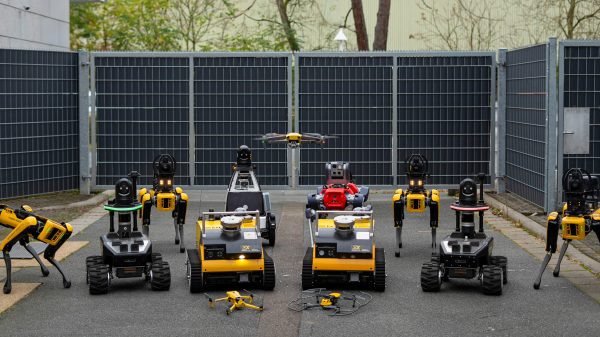
But I am an eternal optimist and always enjoy hearing about the dual use of technologies in the world of defence. While drones can be used for aggressive battlefield operations they also have a myriad of peaceful applications, such as finding and fixing potholes in roads, delivering prescriptions to remote locations and even finding lost cats.
If this article has aroused your interest in the defence industry, you can find information from the Estonian Government here: https://estonia.ee/defence .
For weekly updates on the latest deals and other activity across the whole Baltic region, the subscription-based Baltic Defence News site is here: https://balticdefence.ee
My own preferred way of learning more about any industry is through attending live events, so I will be attending the Supply, Security and Defence Expo in Tallinn from 10-11 June 2026: https://2026.supplysecurity.eu
Maybe you and I could discuss one particularly entrepreneurial and worthy activity: how best to’ turn swords into plowshares’ once the current conflicts come to an end.
For example, Ukraine is now littered with waste metal and fibre optic cables; these must surely have a potential for recycling. Maybe we can turn this material into affordable electric sports cars.
About the Author

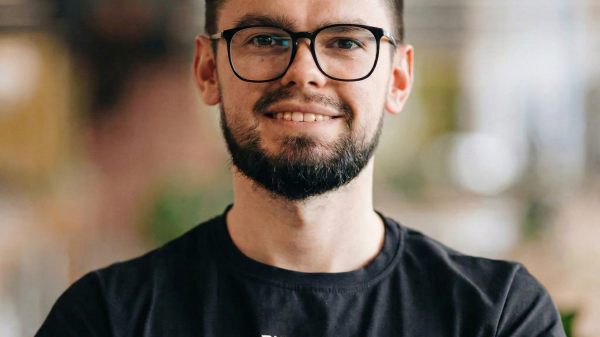
Mike Southon
Mike Southon is Chief Editor of Startup Mafia, busy tuning Estonians into Unicorns and helping promote them worldwide.
More details and his other articles can be found here: https://startupmafia.eu/author/mikesouthon