











































Malmö-based Salt & Fiber is tackling two environmental problems at once—waste from coastal seagrass and pollution from textile production—by turning natural ocean residue into sustainable yarn.
The startup has raised €300,000 in pre-Seed funding and launched a €45,000 crowdfunding campaign to accelerate development and early production.
From Coastal Waste to Valuable Material
Every year, coastal municipalities spend millions removing beach-cast seagrass, only to landfill it—releasing methane and creating environmental harm.
At the same time, the textile industry remains one of the most polluting globally, with growing regulatory and consumer pressure to:
- Reduce emissions
- Improve traceability
- Shift to sustainable materials
Salt & Fiber sits directly at this intersection.
A New Class of Textile Fiber
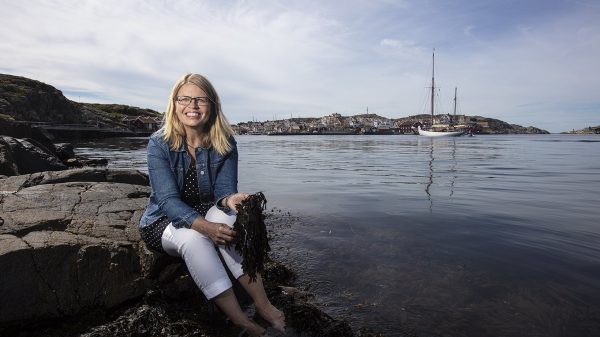
Founded in 2025 by Annika John, the company transforms discarded seagrass into biodegradable textile fibres.
Key characteristics:
- No need for fresh water, fertilisers, or farmland
- Fully plant-based and biodegradable
- No synthetic polymers or microplastics
- Processed without harmful chemicals
An additional advantage:
👉 The material is naturally fire-resistant, reducing the need for chemical treatments.
Local, Circular, and Scalable
Salt & Fiber’s approach is built around circularity and local sourcing:
- Uses waste material already being removed
- Partners with municipalities for supply
- Reduces dependency on global textile supply chains
The company has already:
- Secured a supply agreement with a Swedish municipality
- Started pilot production
- Joined the Älmhult x IKEA incubator
Targeting a Changing Textile Industry
European brands are under increasing pressure from:
- CSRD (Corporate Sustainability Reporting Directive)
- Extended producer responsibility regulations
- Consumer demand for sustainable products
This creates strong demand for:
👉 low-impact, traceable, locally sourced materials
Salt & Fiber aims to position itself as a next-generation textile input supplier for this shift.
Roadmap to Market
The company is targeting:
- Commercialisation between 2027–2028
- Expansion of production capabilities
- Deeper partnerships with brands and municipalities
It is also exploring a sustainability initiative to:
- Donate 5% of crowdfunding proceeds to Baltic Sea seagrass restoration
What This Means
Salt & Fiber reflects a broader ClimateTech trend:
👉 Turning waste streams into valuable raw materials
👉 Rebuilding legacy industries (like textiles) with sustainable inputs
👉 Localising supply chains to reduce environmental impact
If successful, the company could help redefine how textiles are sourced—moving from resource-intensive production → to regenerative, circular systems.