






















































Barcelona-based cleantech startup Tether has secured a €1.3 million pre-seed funding round to transform electric vehicles (EVs) into a continent-wide, AI-powered energy storage network. The investment aims to accelerate the company’s Nordic expansion and deepen partnerships with automakers and grid operators.
Backed by Draper B1 and K Fund, with participation from Enzo Ventures, Inclimo Climate Tech Fund, Zero4Climate, and COREangels Climate, the round marks a vote of confidence in Tether’s vision: to reshape energy infrastructure by turning millions of parked EVs into a flexible, distributed battery system that supports grid resilience and decarbonization.
“The recent blackout in Spain made it clear: Europe needs grid flexibility – now,” said founder and CEO Luis Medina Rivas. “Our platform turns EVs into grid assets, enabling a cleaner transition without compromising reliability.”
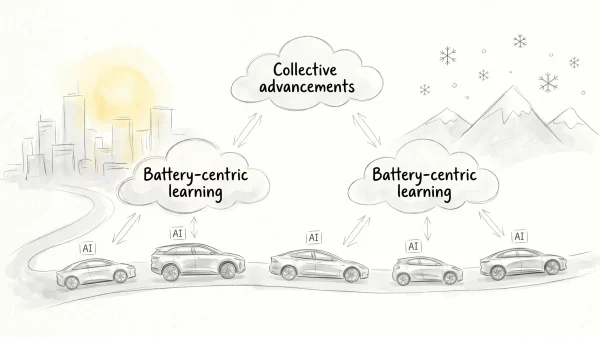
Founded in 2023 at Norrsken Barcelona, Tether has developed AI-coordinated charging software that learns from EV user behavior. This tech allows vehicles to automatically adjust charging based on grid demands, unlocking new revenue for carmakers and charging operators, while also reducing strain on aging infrastructure.
Tether claims its approach could cut up to 7,300 tonnes of CO₂ per megawatt of installed EV capacity over a vehicle’s lifetime. The company is already running pilots with Audi, Zeekr, and leading charge point operators in Europe.
The fresh capital will be used to:
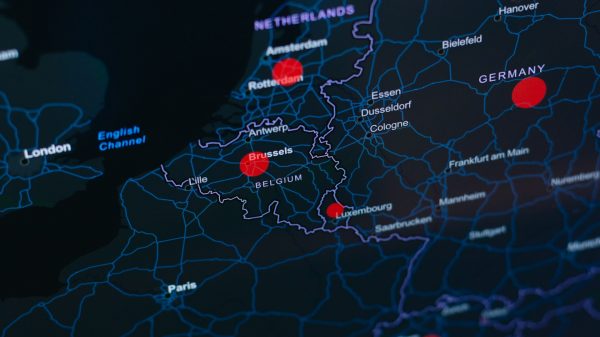
- Expand into Nordic, German, and Belgian markets
- Grow its engineering and commercial teams
- Integrate deeper with OEMs and TSOs
Luis Medina Rivas, an energy engineer with experience at Northvolt, GE, and Florida Power & Light, leads a team of ex-Amazon and InnoEnergy engineers and data scientists.
“Tether is bridging the gap between electric mobility and the energy grid,” said Raquel Bernal, Partner at Draper B1. “We were struck by the team’s clarity of vision and potential to reshape both industries.”
As EV adoption surges, Tether is positioning itself at the intersection of transportation and energy — a space ripe for innovation as Europe races to meet climate targets while maintaining energy stability.