






























French startup HyLight, which specialises in aerial inspection of critical infrastructure using autonomous hydrogen-powered airships, has raised €13 million from Rubio Impact Ventures, DRW and Teampact Ventures. Existing investors Y Combinator and Ring Capital also joined the round.
From Four Aircraft to a Fleet
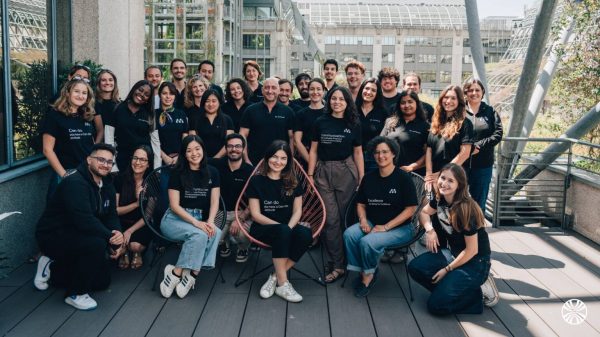
Founded in 2022, HyLight has designed, built, industrialised and operated its own aircraft in France, while developing the software and AI that turn collected data into actionable insights. In four years, its “HyLighters” have inspected thousands of kilometres across France, flown in several European countries and begun replacing helicopter missions for major infrastructure operators.
The new funding will let the company industrialise its fleet, strengthen its automated data analysis and deploy a new data infrastructure across Europe to help monitor and protect critical networks and territories.
Martin Bocken, co-founder and CEO, said: “Most power lines are still inspected by helicopter, just as they were fifty years ago. Our HyLighters already do the same job, with greater precision and less risk. This funding takes us from four aircraft to a fleet.”
The Problem With Helicopters
Power lines, gas pipelines and railways face growing inspection needs as climate change, tightening regulations and safety risks converge. More than 80 million kilometres of linear infrastructure worldwide require billions of euros in investment every year. Yet helicopters remain the dominant inspection method, despite high costs, emissions of up to one metric ton of CO₂e per flight hour, noise and limited availability. Existing alternatives only partly fill the gap: drones lack range, satellites lack precision, and ground sensors offer only localised coverage.
The HyLighter
HyLight says it has reached the milestone of operational replacement. Its aircraft already fly missions for Enedis, NaTran, Téréga, VINCI and SNCF Réseau to monitor network integrity, detect defects and identify methane leaks.
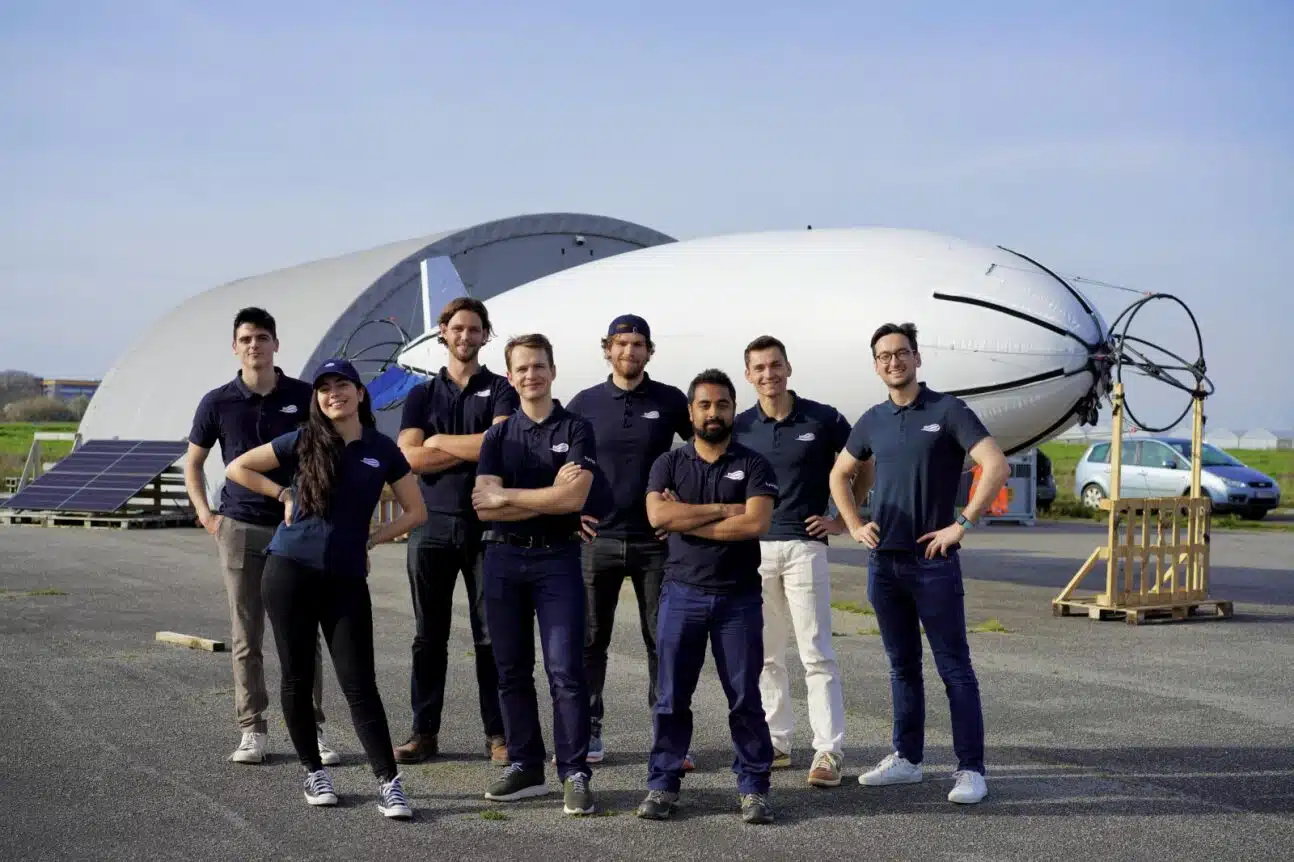
At 12 metres long, the HyLighter combines the endurance of a long-range aircraft with the precision of an inspection platform:
- Electrically powered by hydrogen, with no direct emissions and very low noise
- Up to ten hours of flight, with a target range of 350 km
- Payload of up to 10 kg of sensors, including LiDAR, cameras and methane detectors
- 1 mm/pixel imaging at an altitude of 25 metres and LiDAR density above 1,000 points per square metre
The HyLighter is authorised by the French civil aviation authority (DGAC) and EASA to fly beyond visual line of sight (BVLOS) over critical infrastructure in rural, suburban and urban environments. It has flown over the Palace of Versailles and has been showcased on the Champs-Élysées, at VivaTech and at the Grand Palais.
Data as the Second Product
Beyond flying, HyLight turns flight data into decision-making tools that automatically identify and geolocate more than 50 types of defects and vegetation-related risks across power grids, replacing thousands of raw images with precise information for maintenance teams. As flights become more frequent, the data will build a continuously enriched digital twin of the infrastructure and territories covered, a new layer of multimodal data with future applications in insurance, agriculture and public land management.
What’s Next
HyLight’s new production facility is now online, with further in-house manufacturing of strategic components under way. The company is targeting up to 15 HyLighters operated simultaneously in 2027, compared with four today. The funding will support the recruitment of 50 employees across engineering, AI and data, operations, regulatory affairs and business development, and accelerate commercial expansion across Europe, with Germany and the Netherlands as priority markets.
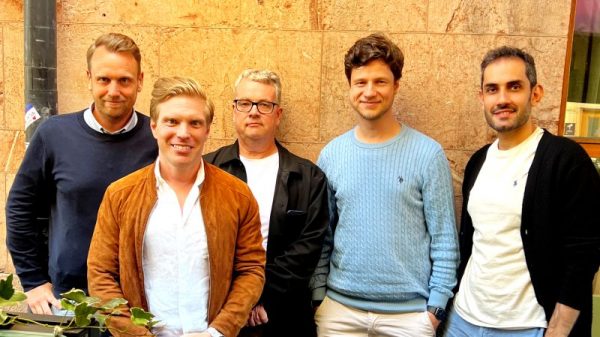
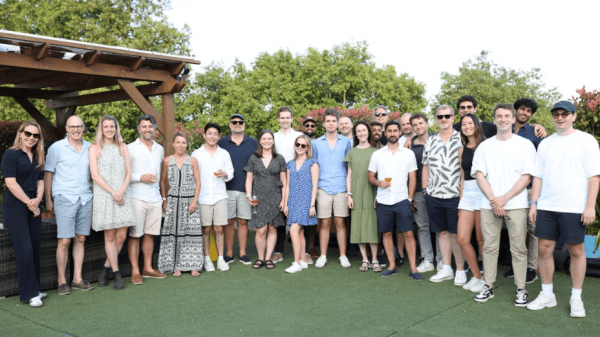
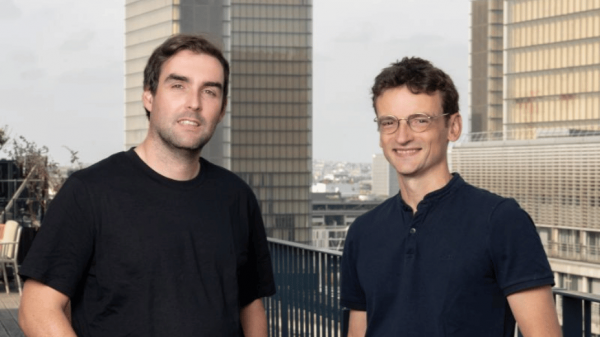
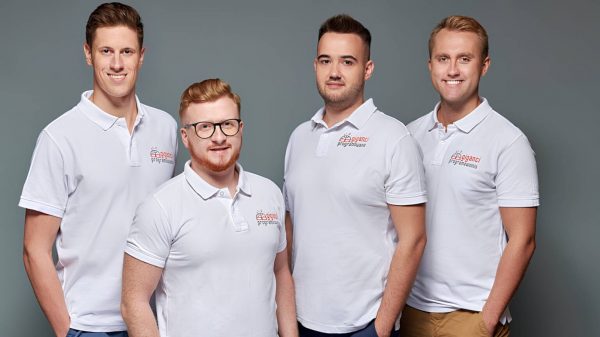
The founding team of Martin Bocken, Josef Rokusek and Thomas Laporte, with an average age of 27, plans to keep the integrated model that has let HyLight move fast: aeronautical engineering, software, AI and field operations under one roof.
Helmer Schukken, managing partner at Rubio Impact Ventures, said: “In HyLight we see a team and a technology with the potential to change how we keep critical infrastructure safe. Today, powerlines, pipelines and railways are still inspected by helicopter, which is expensive, unsafe, polluting and, as workforces age, insufficiently available. HyLight offers a clean and scalable alternative that does the same work reliably, even over densely populated areas, and has the potential to deliver unrivaled cost savings. That means faults are caught earlier, before they become leaks or outages, and the infrastructure we rely on becomes both more dependable and a good deal cleaner. We are glad to back Martin, Josef and Thomas in making this the new standard.”