
































































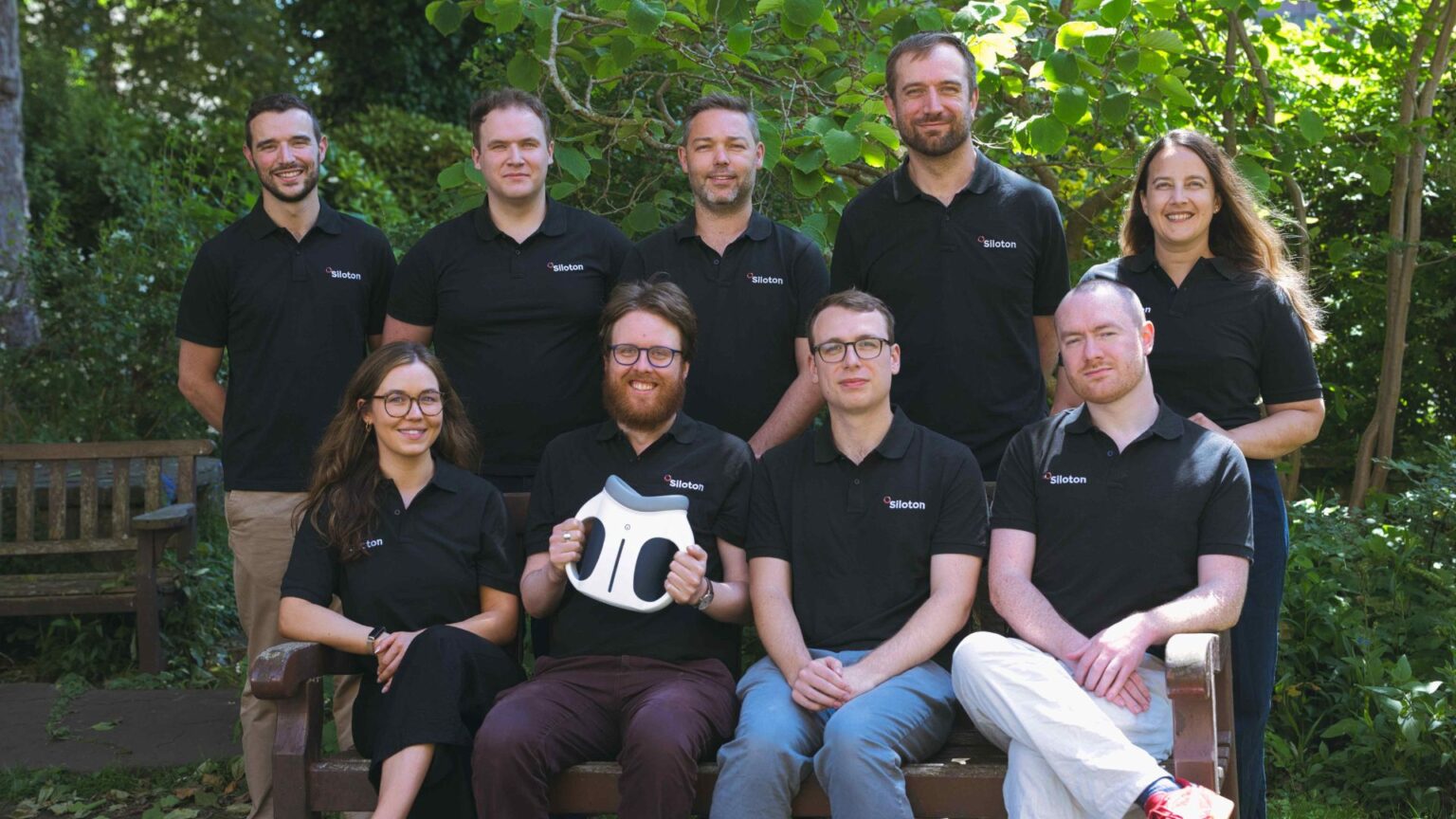
Bristol-based MedTech startup Siloton, which specialises in miniaturised optical technology for medical imaging, has been awarded a €9.98 million (£8.4 million) contract to accelerate development of its handheld eye imaging system, making it easier to detect and monitor retinal diseases.
The Contract
Innovate UK, part of UK Research and Innovation (UKRI), awarded the contract through its Contracts for Innovation: Quantum Missions Primer initiative. The programme helps public sector organisations solve complex challenges by running competitive funding opportunities to develop new technologies.
Alasdair Price, CEO of Siloton, said: “Winning this Innovate UK contract allows us to accelerate the development of our systems, explore manufacturing and assembly in the UK, and help a groundbreaking new technology be adopted by the NHS more quickly. Many early-stage companies struggle to get beyond the well-known ‘valley of death’ in developing new products, particularly in healthcare, but this will support us through that crucial phase, bringing the Siloton system closer to being in patients’ hands and building a technology that can be used worldwide.”
The Technology
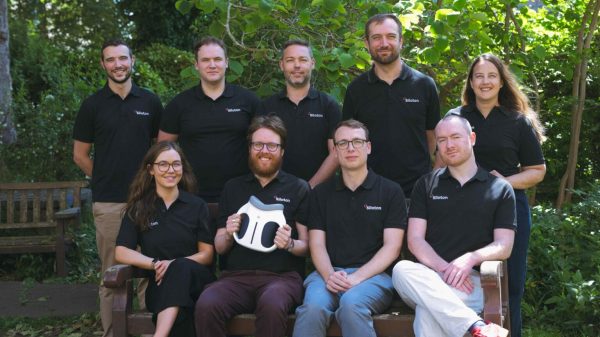
Siloton was founded in April 2020 in Bristol and is an alumnus of the Quantum Technologies Enterprise Centre (QTEC) incubator programme. Its mission is to make sight-saving eye scans available to people with eye disease wherever and whenever they need them.
Its products are built around Optical Coherence Tomography (OCT), which uses light to create detailed images of the inside of the eye. OCT is widely used to detect and monitor some of the world’s most prevalent conditions, including age-related macular degeneration and glaucoma, and can also help detect multiple sclerosis, diabetes and certain cancers. According to Siloton, OCT systems are usually confined to specialist settings because the underlying optical hardware is large and fragile.
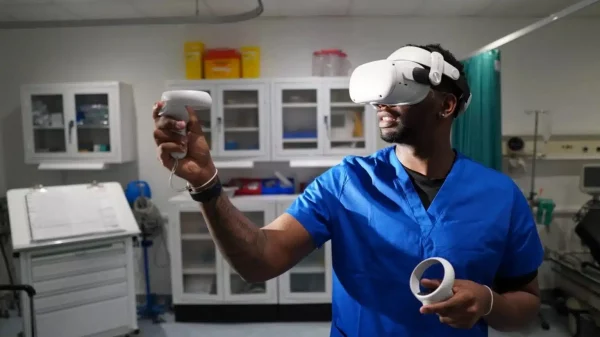
The company says its photonic chip technology compresses a tabletop’s worth of heavy, expensive and fragile components, such as mirrors, lenses and fibre optics, onto a single piece of material smaller than a coin. Like phone chips, these can be mass-manufactured. Its GiraffeOCT is a binocular-style, easy-to-use system designed to make diagnosing and monitoring treatable retinal diseases more affordable and accessible. The core focus is a complete ophthalmic OCT system for use in the clinic, the community and the home.
Since 2025, Siloton has also offered its chip technology to other market segments through its OCT-Chip Development Kits.
What the Contract Funds
Delivered over two years, the contract will help Siloton accelerate the design of the in-clinic and at-home versions of GiraffeOCT and complete trials on both. The company expects it could cut the development process by up to two years.
- Clinical trials: Siloton will work with Sunderland Specialist Eye Hospital on trials of the in-clinic device, giving patients across the North East and North Cumbria access during development.
- Health economics: York Health Economics Consortium will use the data to refine its cost-saving estimates for the NHS.
- Jobs: the team is expected to grow to 16 by August 2028, across photonics, electronics and software.
Price added: “Developing the in-clinic and at-home versions of the system will help the government meet its ambitions of moving care into the community and bringing quantum technologies into the NHS. The contract will also allow us to expand our technology to cover a wider range of diseases, integrate our second-generation BlueJay chip, the same architecture used in our system for astronauts, and build out the cloud platform that underpins the service.”
What’s Next
Siloton plans to raise further investment after the contract win, strengthening its cash position for the next few years and supporting development of its second-generation CheetahOCT device, designed to measure different retinal layers and detect more conditions.
Backing and Customers
In August 2024, Siloton secured €1.02 million (£860k), and in 2022 it announced the first close of a round totalling €558.4k (£470k). It is supported by ophthalmology players including Moorfields Eye Hospital and the Macular Society. Its customers include the European Space Agency, which needs a long-term way to monitor the eye problems astronauts frequently develop in space.