
















































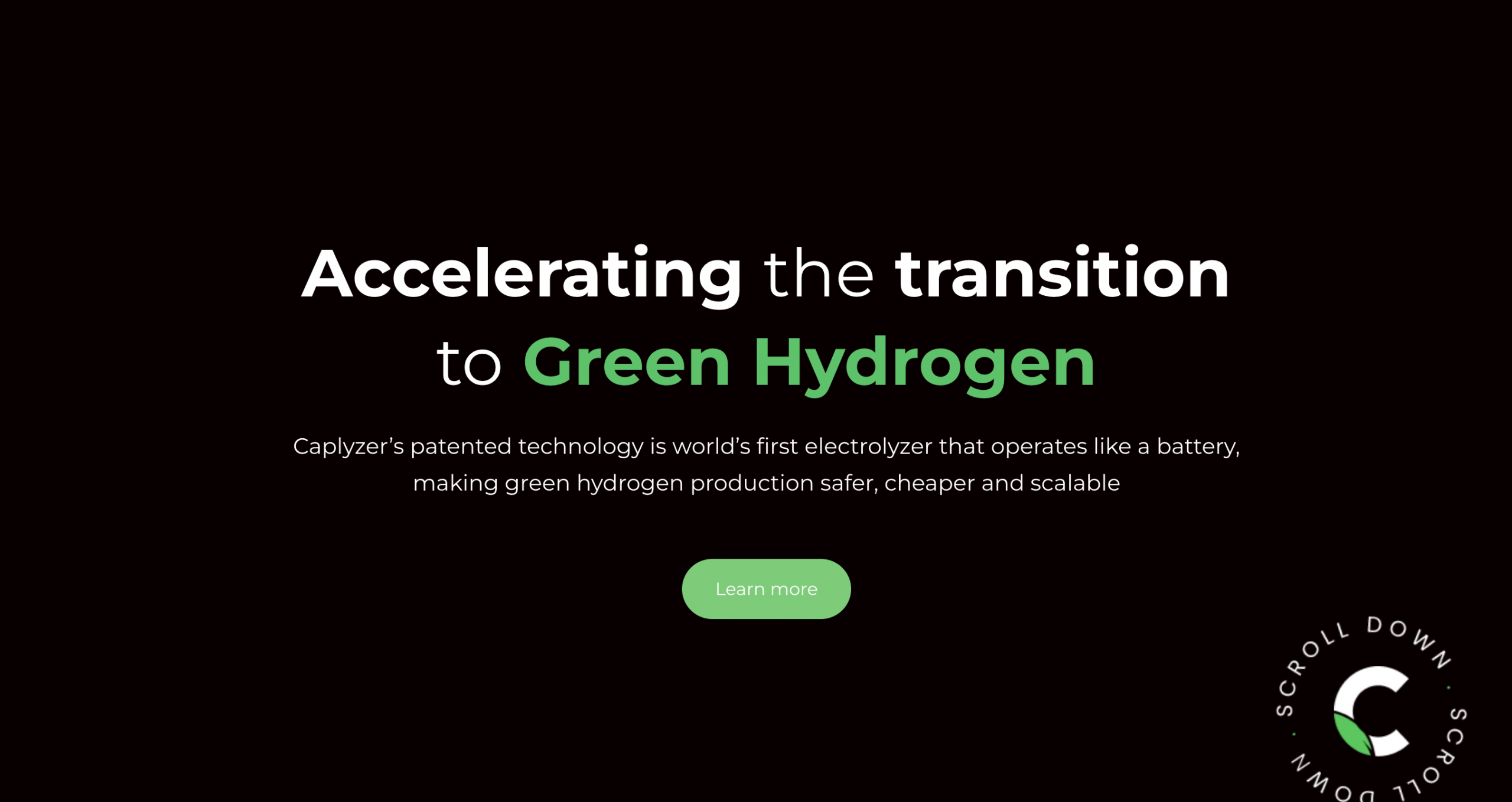
Stockholm-based Caplyzer has raised SEK 7 million (approximately €630,000 / $730,000) in its first funding round to accelerate the development of its innovative technology for green hydrogen production.
The investment round was led by Trio Impact Invest, with participation from Almi Invest.
Rethinking Hydrogen Production
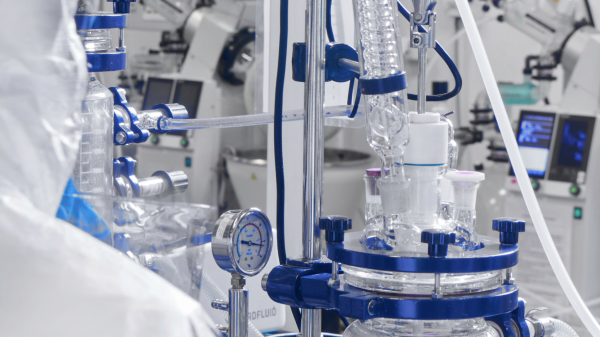
Caplyzer is developing membraneless electrolyzers, an alternative approach to conventional electrolysis systems used to produce green hydrogen.
Traditional electrolyzers rely on expensive membranes that can increase costs, limit durability, and complicate manufacturing. By eliminating the membrane, Caplyzer aims to simplify system design while reducing production costs and improving scalability.
If successfully commercialized, the technology could contribute to making green hydrogen more affordable for industries seeking to decarbonize operations.
Supporting the Green Hydrogen Economy
Green hydrogen is widely viewed as a critical component of the global energy transition, particularly for sectors that are difficult to electrify, including heavy industry, chemicals, shipping, and steel production.
As demand for clean hydrogen grows, startups are racing to improve the efficiency, reliability, and economics of electrolyzer technology. Caplyzer is part of a new generation of ClimateTech companies focused on solving one of the industry’s biggest challenges: lowering the cost of hydrogen production.
Backed by Climate-Focused Investors
The SEK 7 million financing round was led by Trio Impact Invest, with Almi Invest joining as a co-investor.
The capital will support further technology development, validation, and the company’s efforts to advance its membraneless electrolyzer platform toward commercialization.
Strengthening Sweden’s ClimateTech Ecosystem
Sweden continues to produce a growing number of startups focused on clean energy and industrial decarbonization. Caplyzer’s funding highlights continued investor interest in breakthrough technologies that could help accelerate the transition to a low-carbon economy.
With fresh capital in place, the Stockholm startup is working to demonstrate that a simpler, membrane-free approach could become an important building block in the future of green hydrogen production.