









































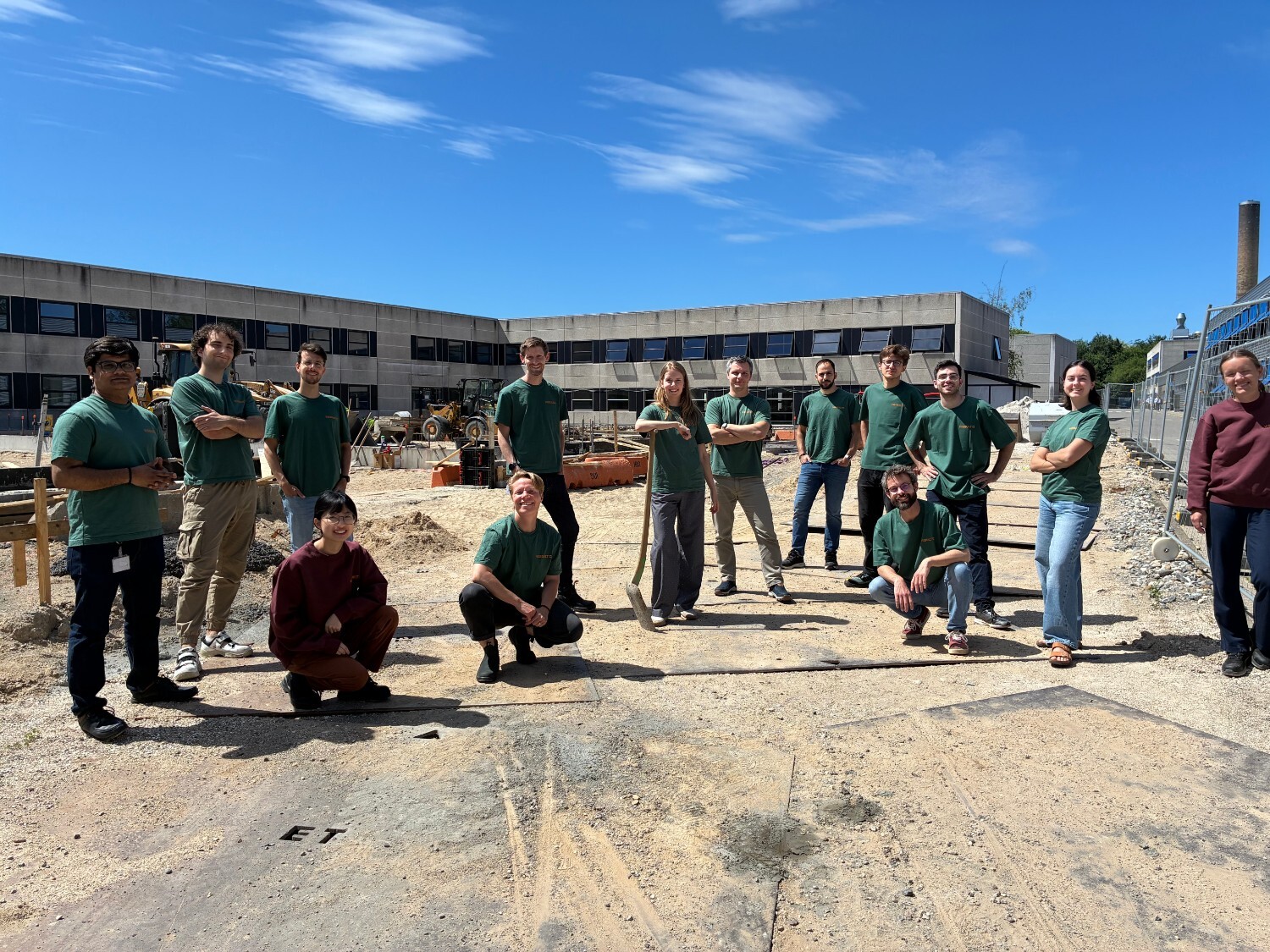
Copenhagen-based biotechnology startup Visibuilt has secured €3.34 million in Seed funding to accelerate the development of its mycelium-based construction binder, offering a sustainable alternative to carbon-intensive materials such as cement and bitumen.
The funding round was co-led by EIFO and Unconventional Ventures, with participation from Proptechfonden and follow-on investment from existing backer EMDFonden.
The fresh capital will help the company move beyond laboratory-scale pilots by expanding product validation, building production capabilities for larger trials, growing its technical and commercial teams, and preparing for commercial deployment with industry partners.
Reinventing one of construction’s biggest sources of emissions
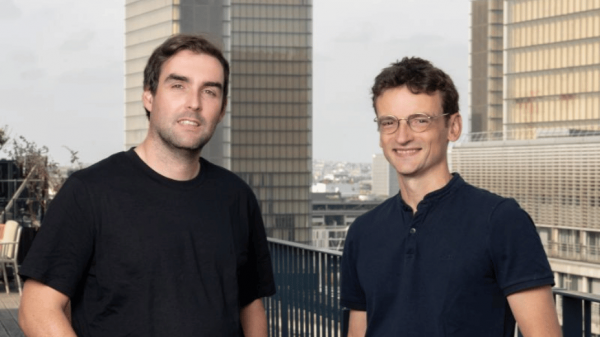
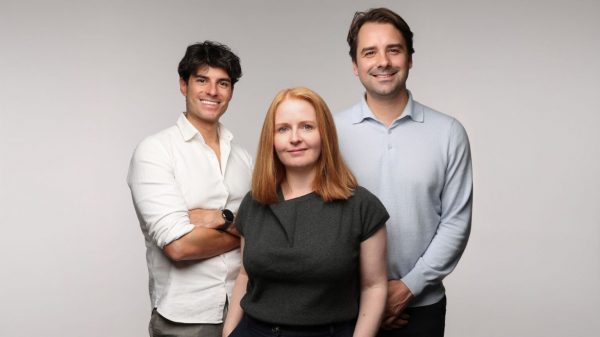
Founded by Line Kloster Pedersen and Oleksii Rebrov, Visibuilt combines biotechnology and material science to develop sustainable binders for the construction and infrastructure sectors.
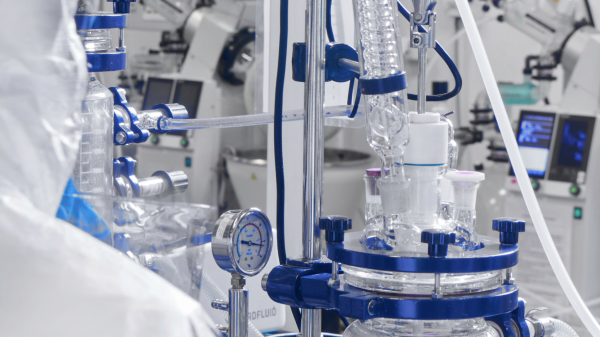
Its flagship technology, visiBINDER, is produced from mycelium—the root-like structure of fungi—and is designed to replace traditional fossil-based and carbon-intensive binders used in paving materials and infrastructure projects.
Because cement and bitumen production account for a significant share of global carbon emissions, developing lower-carbon alternatives has become a priority for the construction industry.
“Closing this Seed round is an important milestone for Visibuilt,” said Line Kloster Pedersen, CEO and Founder of Visibuilt.
“It enables us to mature our technical platform, validate our solution at a larger scale, and take the next steps towards bringing our technology to market.”
A lower-carbon alternative for infrastructure
Construction and road-building projects rely heavily on binders that require energy-intensive manufacturing processes.
Visibuilt’s mycelium-based technology is designed to provide comparable durability and performance while significantly reducing the environmental footprint of paving materials.
By replacing conventional binders with bio-based alternatives, the company aims to create a new generation of sustainable materials for:
- Roads
- Pavements
- Public pathways
- Infrastructure projects
- Concrete paving applications
The company believes combining biological materials with advanced material science can help reduce embedded carbon across the built environment without compromising performance.
Investors see strong climate and commercial potential
The funding reflects growing investor interest in climate technologies capable of decarbonizing hard-to-abate industries such as construction.
“Concrete and asphalt production are among the largest sources of CO₂ emissions globally,” said Sara Sande, Managing Director, Partner and Head of Direct Thematic Venture at EIFO.
“If we are to truly reduce emissions, it requires new solutions in heavy industries. Visibuilt has an approach that could become an important part of that transition.”
For Unconventional Ventures, the investment represents a business where commercial success and climate impact are closely aligned.
“Every tonne of visiBINDER used in paving replaces a tonne of fossil-based binder, generates revenue, and reduces the embedded carbon of the infrastructure it becomes part of,” said Thea Messel, General Partner at Unconventional Ventures.
She also highlighted the company’s early commercial traction, noting that Visibuilt established industrial testing partnerships with Denmark’s leading concrete paver manufacturer and the Municipality of Copenhagen within just two years of founding.
Preparing for commercial deployment
With the new investment, Visibuilt plans to:
- Expand product testing and validation
- Build production capabilities for larger-scale trials
- Strengthen its engineering and commercial teams
- Collaborate with industry partners on real-world infrastructure projects
- Prepare the technology for commercial market launch
As governments and construction companies seek lower-carbon alternatives to traditional building materials, Visibuilt is positioning itself at the intersection of biotechnology and sustainable construction. By replacing fossil-based binders with mycelium-derived materials, the Danish startup aims to help reduce emissions in one of the world’s most carbon-intensive industries while bringing a new class of bio-based construction materials to market.