

























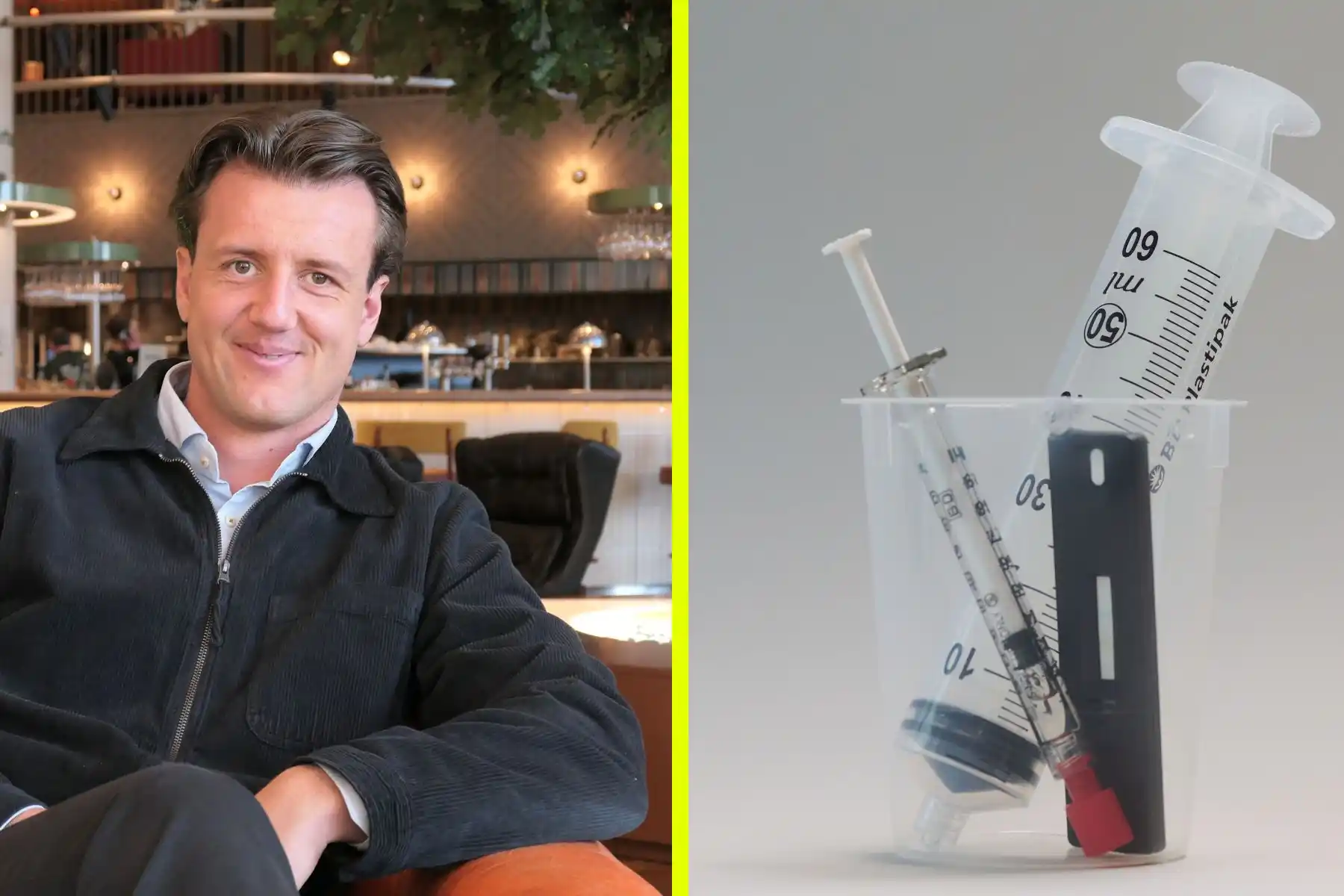
After three years of product development, Stockholm-based Hydro Diagnostics is ready to start selling its pandemic-inspired rapid tests for bacteria in water. The company has raised SEK3.4 million (€300K, $340K) from a mix of new and existing angel investors, and has also secured a SEK1 million loan from Almi.
The Round
Among the investors putting in new money are two members of the Swedish national football team, Carl Starfelt and Jesper Karlström. The funds will be used for the company’s commercial rollout.
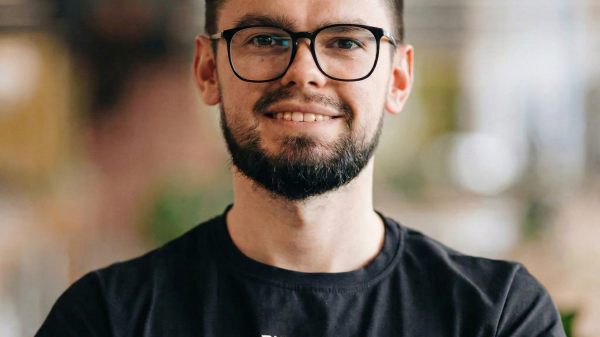
“We have very high pressure from customers who keep pushing us,” says co-founder and CEO Erik Wåhlin.
The Idea
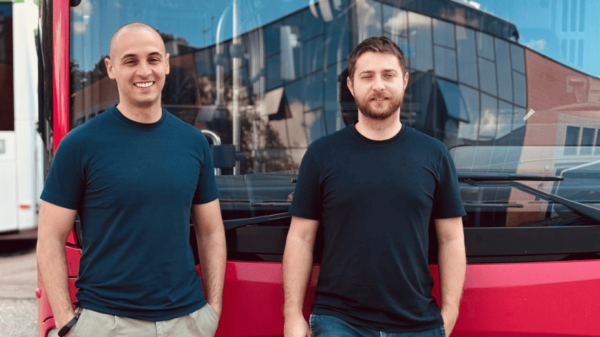
The concept was born toward the end of the pandemic. If people could rapid-test for Covid-19 at home, friends Erik Wåhlin and Kevin Siu wondered, couldn’t the same type of technology be used to quickly detect dangerous bacteria in water? Three years later, their company is ready to move from development to commercial launch.
“We realized very quickly that there isn’t much innovation when it comes to detecting bacteria in water,” says Wåhlin. “Today, samples are still often sent to traditional labs, and then it takes 10 to 14 days before you get an answer.”
The Product
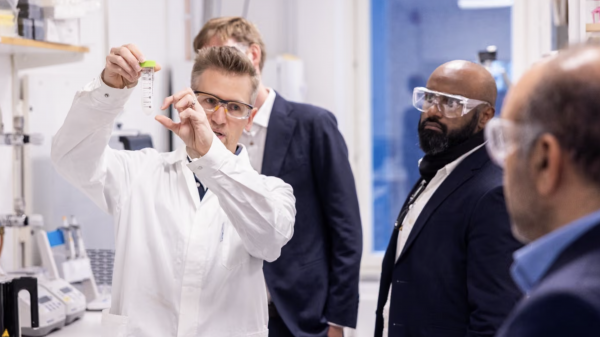
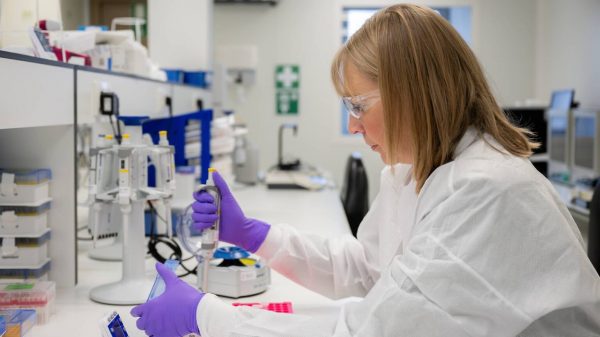
Hydro Diagnostics has developed a test kit resembling a pregnancy test: using a cassette and a mobile app, users can get an answer within 30 minutes on whether water contains bacteria such as legionella or E. coli. The kit consists of a filter to concentrate the water and a test cassette, with results read by an AI-based mobile app that determines the amount of bacteria. The app also gives property owners an overview of their entire portfolio.
The primary target group is property companies, which under new EU directives carry growing responsibility for guaranteeing water quality in their buildings. “They’re the ones responsible for the water being safe. And the only way to find out is to test,” Wåhlin says.
One of the first major customers is property giant Coor, which manages 20 million square meters. “We’re heading out there next week to do our first tests with them at a large office,” Wåhlin says.
The Business Model and Roadmap
The business model is built on recurring purchases of test kits, with a longer-term goal of making the cassettes recyclable. The technology is currently limited to bacteria, which is why the company isn’t pursuing tests for contaminants such as PFAS. Plans exist to develop tests for additional bacteria such as salmonella and listeria. Wåhlin points to a previous EU grant the company received to develop its E. coli test as a clear sign the need exists: “That was a really big deal for us and a clear sign that this is needed and important.”
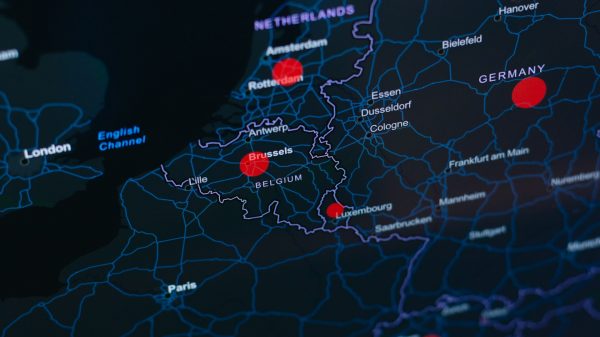
The commercial rollout begins in the Nordics but quickly aims toward the UK and Germany via distribution networks. Production of the test cassettes takes place at a partner in Belgium, which Wåhlin calls a major advantage: “It’s a big advantage for us that the people who developed the test also produce it. We’ve been careful to keep a low cost base.”
The Numbers
The company aims to become cash-flow positive as early as next year, with a budgeted net revenue of SEK7 million. But the founder believes in more: “The nice thing about our business model is that it’s so scalable. We don’t need to grow with people. I think that we, the three employees we are today, can reach SEK10 million in revenue next year.”
According to its 2025 annual report, Hydro Diagnostics’ net revenue was around SEK444,000, with a result after financial items of minus SEK1.1 million.