





































































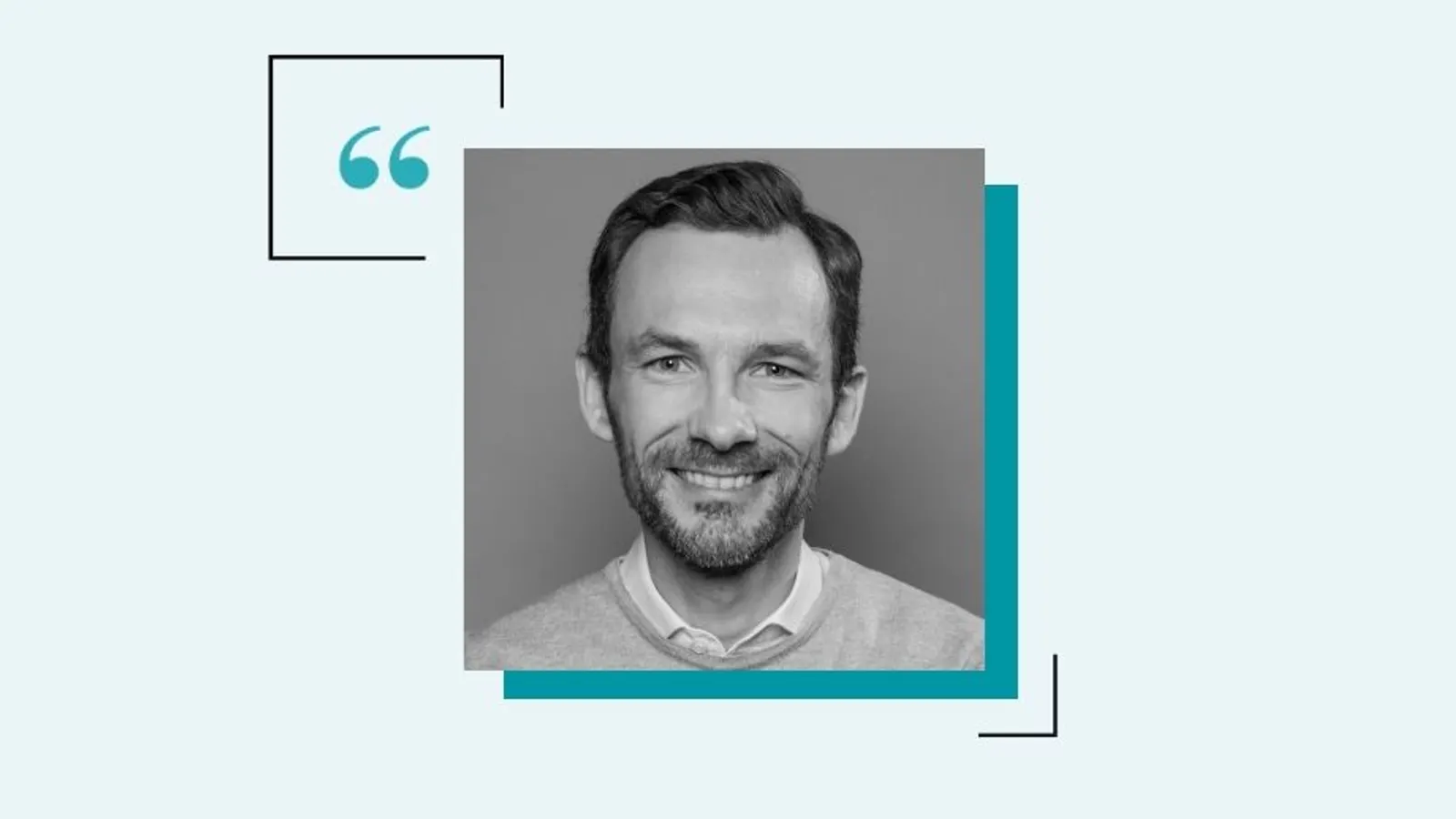
Float, the Stockholm-based provider of financing for European tech companies, has funded more than 150 businesses and deployed more than €100 million across 17 European countries. In a recent interview with CFO.com, co-founder, CFO, and COO Jannis Koehn shared how the company decides who to lend to, why it has grown cautious about AI startups, and when he tells founders to raise equity instead.
Where the Lending Capital Comes From
Float lends directly to businesses, funded by credit funds and banks. Its main funder today is a UK credit fund, and the company is in discussions about adding a second facility, most likely with a European bank.
Koehn described one creative solution to a growth constraint. A senior lender typically advances around 80–85% of a loan, leaving the lender to fund the rest. Raising equity for that junior portion was difficult for a capital-intensive fintech, and a credit fund wouldn’t provide a mezzanine investment of roughly €1 million because the ticket was too small. Float instead worked with a Swiss bank to issue private debt tokens on-chain to fund that layer — which Koehn believes made Float the first, or possibly second, company in Europe to make institutional-grade private debt tradable on-chain. The move opened up capital the company couldn’t otherwise reach and helped it grow roughly six to seven times since.
Debt or Equity?
Float’s sweet spot is companies with roughly €1 million to €20 million in annual recurring revenue, though it will look at those slightly below that range. Koehn says the team weighs growth against cash burn: most customers burn cash, which is one reason banks hesitate, but the burn has to be moderate relative to growth. If a company burns an amount equal to its monthly recurring revenue every month, he’ll often tell the founder it’s an equity case for now and to come back once the burn has come down. As a founder himself, Koehn says Float will point customers toward equity or a bank loan when that’s the better fit.
The AI Revenue Warning
One pattern Koehn has noticed recently is revenue shooting up very quickly at some companies, often AI businesses, followed six to twelve months later by a sharp rise in churn. Revenue may keep growing, but far more slowly and with much more effort behind it. His reasoning: customers have AI budgets and will try a new product, but the question is whether it delivers lasting value or is just experimentation. There’s also the risk that a large language model provider adds a feature that replaces a product built on top of its model.
Float funded one or two AI companies early on and then became more cautious. That doesn’t mean it won’t lend to AI businesses, Koehn says, but it needs enough of a track record to assess customer retention and net revenue retention, and whether growth will last.
SaaS Isn’t Dead
Koehn is more optimistic about established SaaS companies using AI to improve their products. When the narrative that SaaS was dead and AI would replace it took hold a few months ago, Float published a memo calling it largely nonsense. In his view, SaaS businesses already have a proven model, AI can lower their development costs and make developers more productive, and tech companies tend to adopt new technology quickly. Nearly all of Float’s customers now have a strong AI element in their products, and he considers most of them stronger businesses than before.
Keeping Financing Simple
Koehn says Float aims to offer financing that is simple, flexible, and transparent. Customers get a credit facility and can draw as much or as little as they need, when they need it, rather than paying for the full amount upfront. Pricing is pay-as-you-go, with a single charge on the money actually drawn — no structuring, setup, or legal fees passed on, and no availability fee, commitment charge, or exit fee. Before drawing, customers see every cash flow both graphically and in writing. The loan agreement runs about six or seven pages, compared with the 20 to 40 pages common elsewhere.
He frames the philosophy around a founder’s scarcest resources: time and energy. Financing, in his view, should save founders both. He also pointed to a Spanish customer who told him he valued being able to grow on his own terms without adding anyone to his cap table.
Why CFOs Are Taking on Operations
Asked about the trend of CFOs taking on operational responsibilities, Koehn said it reduces silos, preventing finance from becoming the function that always says no while another team always says yes. He argues finance people benefit from operational experience and incentives tied to business performance, and salespeople benefit from thinking about the bottom line. At Float, he says, that means aligning sales and credit teams — since underwriters whose only goal was minimizing credit losses would never make a single loan.