

























































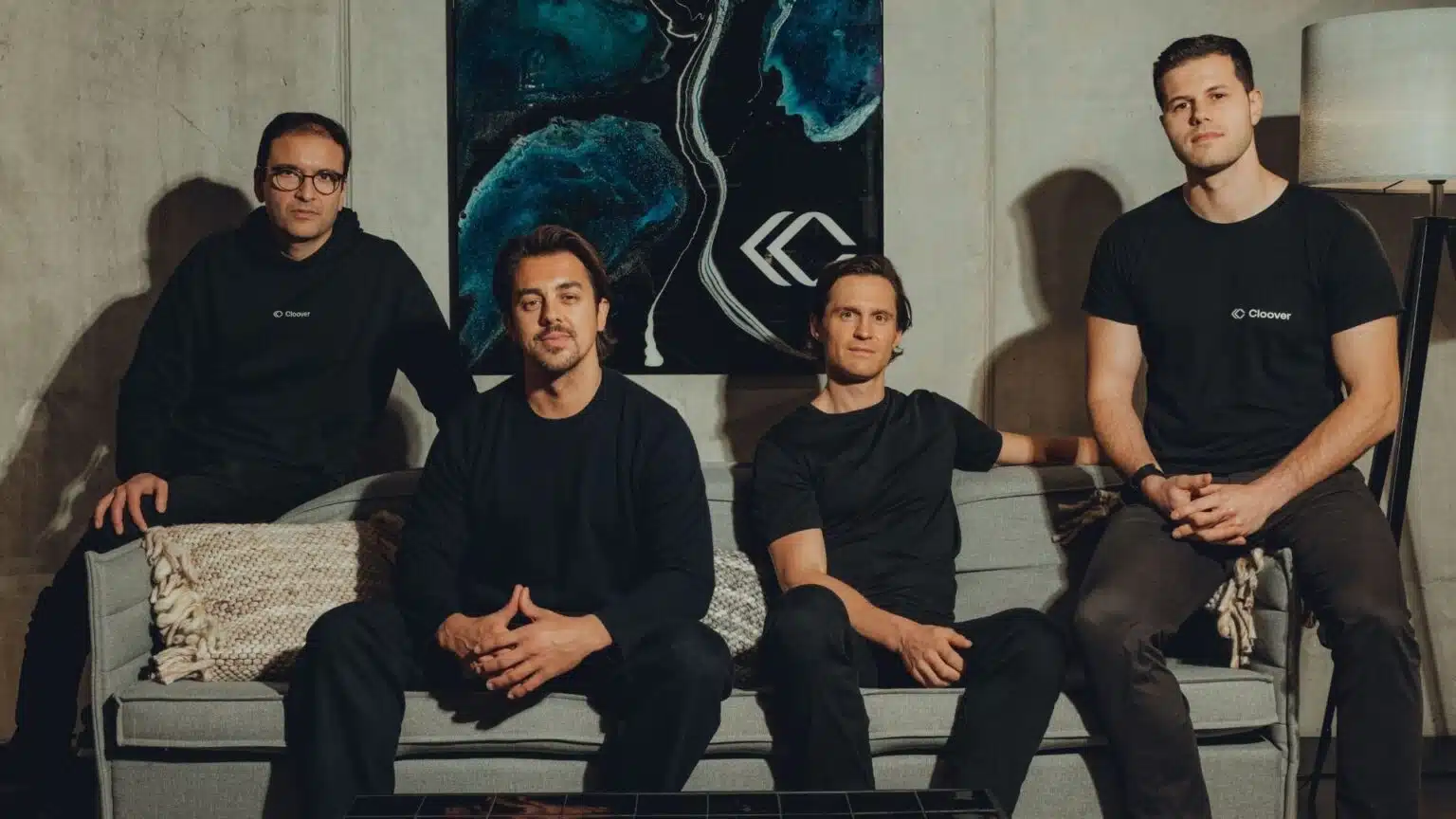
Berlin-based Cloover, an AI-native energy platform for residential solar, heat pumps, and home electrification, has secured a new €86.2 million ($100 million) facility. The company also announced it has become profitable three years after launch, with a revenue run rate exceeding €301.7 million ($350 million).
The Financing
In January 2026, Cloover announced a €1.04 billion financing commitment. The new €86.2 million brings its total financing capacity to more than €1.12 billion ($1.3 billion), backed by a €350 million guarantee from the European Investment Fund. That EIF guarantee will fund energy equipment and installations across Cloover’s markets, which will soon expand to include the UK, France, and Poland. In 2024, the company had announced a €105 million Seed round led by Lowercarbon Capital.
The Model
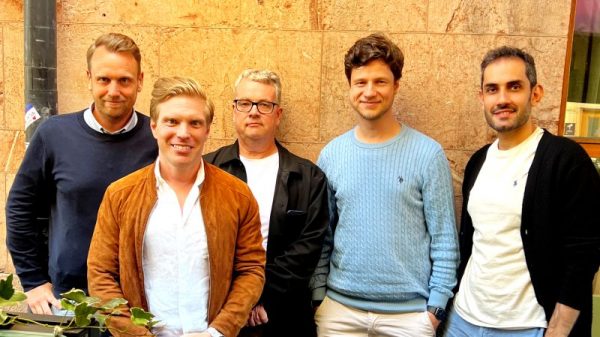
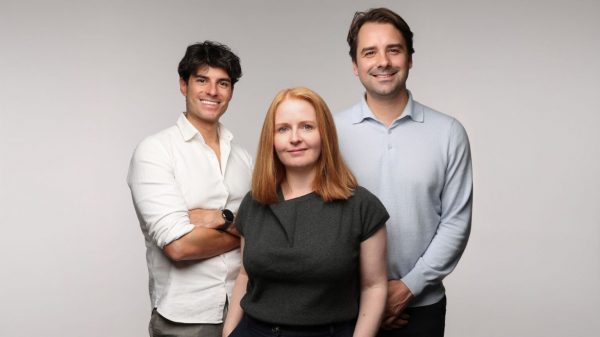
Founded in 2023 by Jodok Betschart, Peder Broms, and Valentin Gönczy, Cloover supplies independent installation businesses with financing, software, and energy products. Rather than building its own sales force, the company built what it describes as an AI-native operating system for independent installers.
Under this model, installers keep their name, their customers, and their choice of hardware, while selling everything from solar and heat pumps to energy-efficient renovations, with financing embedded at the point of sale. Cloover says it supplies the financing, the software, and now the energy products, giving end customers a decision in under two minutes, no upfront payment, and the ability to spread costs over up to 25 years.
Jodok Betschart, Cloover co-founder, described the underlying logic: “We reach households through the installers they already trust, and then we turn each of those homes into a power plant, and each homeowner into a participant in the energy market. That is a relationship that lasts for decades, not a single transaction.”
Cloover reports it’s currently one of the top three residential energy players in Europe’s largest energy market, with every one of its projects sold by an independent installer. It now serves clients across five European markets and runs around 20,000 installations a year through its installer partnerships.
Turning Homes into a Neo-Utility
The company is now shifting focus toward the energy side of the business, aiming to turn every home into a virtual power plant. Once a system is installed, Cloover Energy runs a home energy management system, dynamic and fixed tariffs cover supply, and a virtual power plant aggregates distributed solar, batteries, heat pumps, and EV chargers into a single tradable pool of flexibility.
Cloover calls this combination an AI-native neo-utility: “A conventional supplier owns power stations, buys and resells power, and competes on price at the next comparison. A neo-utility owns no generation at all. Its capacity is the installed base itself, and its product is what that base can do for the grid.”
The company’s models forecast generation and consumption house by house, scheduling storage and flexible loads within limits each household sets — so a battery charges when power is cheap and a heat pump runs when it costs the least, without anyone in the house noticing.
Valentin Gönczy, Cloover co-founder, pointed to AI as the company’s core differentiator: “Everything we do runs on AI, from the underwriting to the way we optimise energy in each home. The incumbents are adding AI to systems built decades ago. We can do in seconds what takes them days, and the gap widens as we scale.”
The Broader Thesis
According to Cloover, as global electricity consumption grows — driven by the electrification of transport, heating, industry, and AI data centres — the home is no longer a passive consumer. The company argues that a connected home generating, storing, and trading its own energy is both a hedge against rising prices and a productive asset, and that whoever manages that at scale holds one of the strongest positions in energy.
Cloover also points to the phasing out or restructuring of feed-in tariffs and net-metering schemes across the continent as a further argument for its model: instead of a fixed payment for exported power, a household would earn from the value of its flexibility, traded in real time.
Peder Broms, Cloover co-founder, summed up the company’s pitch: “The hardware for the energy transition already works. What has been missing is a company that makes it affordable, reaches people through the installer they know, and turns their homes into a real energy business. That is the neo-utility we are building.”
Source: EU-Startups