










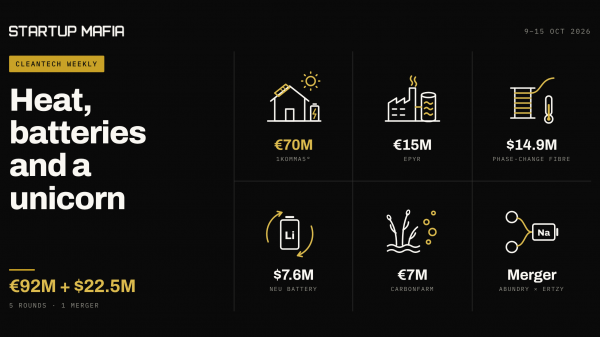



































Paris-based ClimateTech startup CarbonFarm, which specialises in rice decarbonisation, has closed an oversubscribed €7 million Series A round.
The Round
The round was led by Colam Impact, the impact investment arm of Colam Entreprendre, the holding company for the French family-owned group Sonepar. Proparco, Suma Capital, elea, Working Capital Fund, Albo and Bpifrance also participated. Existing investors Serena & make sense (via Racine²) and Technmind renewed their support.
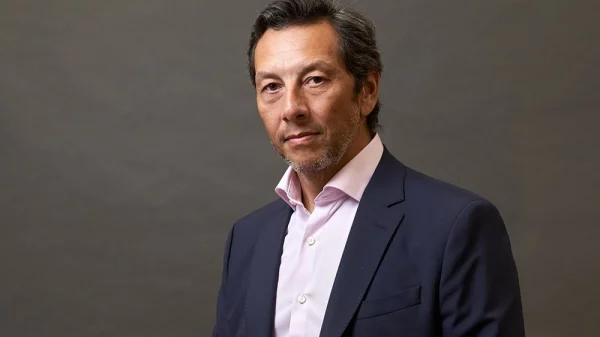
Benjamine Friderich, Investment Director at Colam Impact, said: “CarbonFarm is building the enabling infrastructure for one of the largest untapped decarbonisation opportunities globally. We believe its combination of project-development expertise, climate-finance capabilities and digital MRV creates a uniquely scalable platform in the rice sector.”
The Problem: Rice and Methane
CarbonFarm says rice cultivation accounts for roughly 12% of global human-caused methane emissions, giving the crop a greenhouse-gas footprint comparable to that of global aviation, while consuming up to 28% of the world’s freshwater. The company says improved water management, such as letting fields drain periodically rather than keeping them continuously flooded, can cut emissions by as much as 50% and water use by up to 30%, without affecting yields.
How CarbonFarm Works
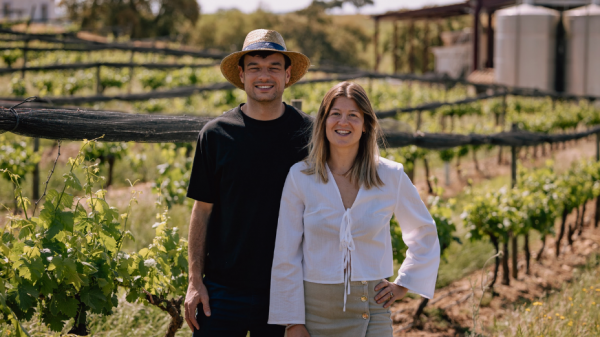
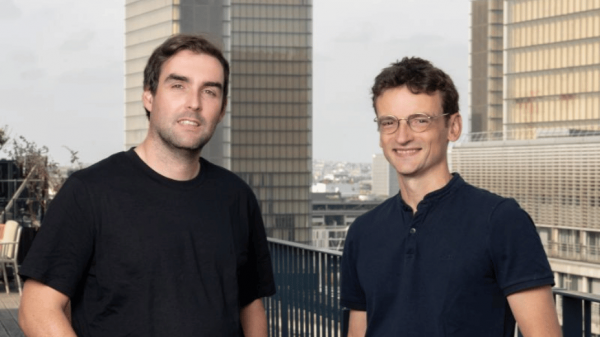
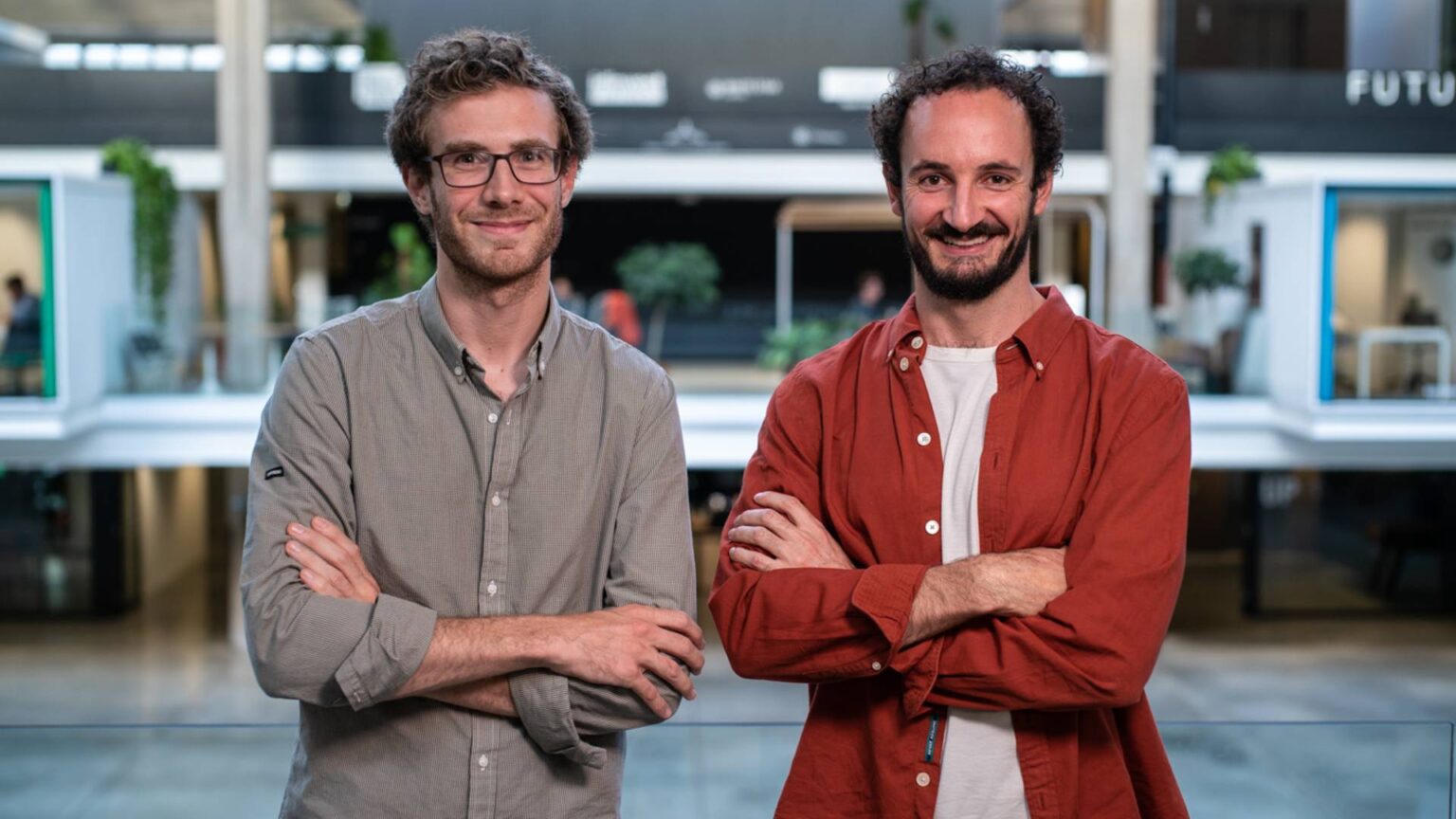
Founded in 2021 by Vassily Carantino and James Hastwell, CarbonFarm partners with rice producers, cooperatives, agribusinesses, NGOs, governments and local project developers to develop, finance and measure high-integrity rice projects.
Its proprietary technology, developed with academic institutions including Cornell University, INRAE and the European Space Agency, uses AI-powered satellite imagery analysis, field-data collection tools and greenhouse-gas modelling to track farming practices and quantify emissions at field level.
The company operates in 19 countries across Asia, Europe, Africa and the Americas. Its partners include food and agribusiness companies such as Mars Food, Diageo, Ebro and Tilda; carbon-finance players such as Livelihoods Funds and myclimate; development organisations such as the World Bank and the Asian Development Bank; and Google.
Carantino, co-founder and CEO, said: “Scale will not come from replacing local value-chain players; it will come from equipping them. They understand the farming systems and have the relationships needed to make change happen. Our role is to help turn this local knowledge into programmes that can attract finance and stand up to scrutiny.”
What’s Next
The new capital will fund expansion across Asia, Africa and Europe and an accelerated push into Latin America. CarbonFarm will also invest in the technology and expertise needed to develop, finance and certify high-integrity rice projects, and to connect them with corporate supply chains and regulated carbon markets. The company says the funding will help make high-integrity rice decarbonisation viable at global scale.