



































































BORÅS, Sweden — Sweden has achieved a major milestone in emergency healthcare after a defibrillator delivered by an autonomous drone reached a cardiac arrest patient before an ambulance, helping save the person’s life.
The successful rescue marks the first real-life emergency in Sweden where a drone-operated defibrillator was deployed to a patient, demonstrating how autonomous aerial technology can significantly reduce emergency response times.
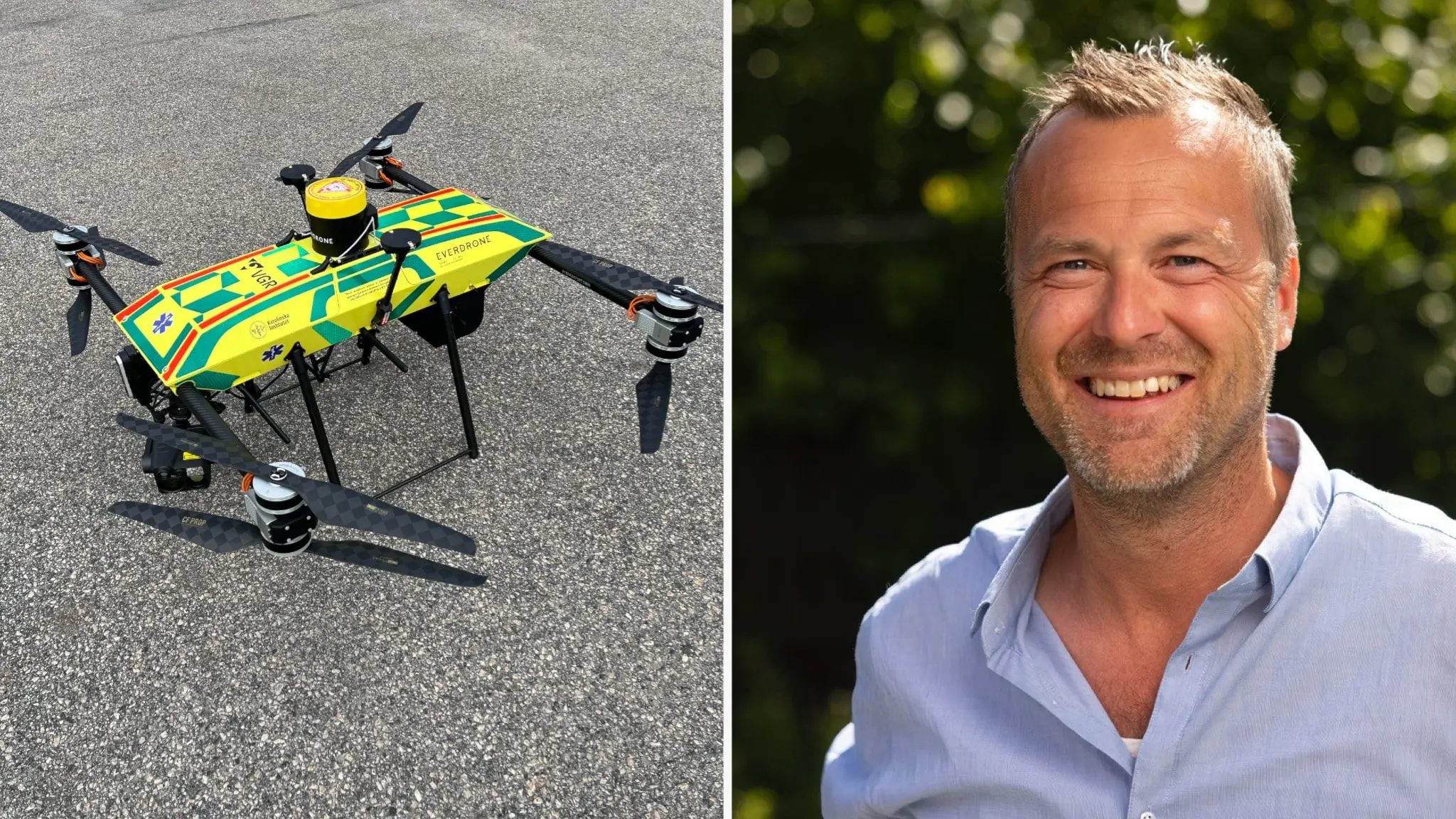
The drone, operated by Swedish medical drone company Everdrone in collaboration with the Västra Götaland Region, delivered the lifesaving device in just three minutes, arriving faster than emergency medical services could reach the scene.
Critical Minutes Can Mean the Difference Between Life and Death
During sudden cardiac arrest, every minute without defibrillation dramatically decreases a patient’s chances of survival. Rapid access to an Automated External Defibrillator (AED) is often one of the most important factors in determining the outcome.
In this case, the drone transported the AED directly to the emergency location, allowing bystanders and healthcare responders to begin treatment before the ambulance arrived.
The patient survived the incident, providing one of the strongest real-world demonstrations to date of how drone-assisted emergency response can improve survival rates.
Drones Expanding Emergency Healthcare
The project is part of a broader initiative by the Västra Götaland Region to explore how autonomous drones can complement traditional ambulance services, particularly in situations where every minute is critical.
According to Magnus Kristiansson, who has worked on the regional drone program, drones are capable of reaching many emergency locations significantly faster than ambulances, especially in urban environments, congested traffic conditions, or remote areas.
Rather than replacing emergency medical teams, the technology is designed to deliver essential medical equipment while paramedics are still en route.
A Growing Role for Autonomous Medical Technology
Drone delivery is becoming an increasingly important area within digital healthcare, with countries around the world testing autonomous aircraft for transporting medical supplies, blood samples, vaccines, medications, and emergency equipment.
Sweden has been among Europe’s most active innovators in this field, with Everdrone conducting extensive trials of drone-based emergency response systems over recent years.
The latest successful deployment moves the technology beyond pilot programs into proven clinical practice, showing that autonomous aviation can play a direct role in saving lives.
A Milestone for HealthTech Innovation
The successful intervention represents an important step forward for the HealthTech sector, demonstrating how artificial intelligence, autonomous navigation, and connected emergency systems can work together to improve patient outcomes.
As healthcare providers continue investing in faster emergency response technologies, drone-delivered medical equipment could become an increasingly common component of emergency services—particularly for time-sensitive conditions such as cardiac arrest, stroke, and severe trauma.
For Sweden, the rescue offers compelling evidence that integrating autonomous drones into emergency healthcare systems has the potential to save more lives by bringing critical treatment to patients when every second matters.