























































Stockholm-based GenomeVault has secured SEK 5 million (€450,000 / $520,000) in a pre-seed funding round led by Trio Impact Invest to commercialize its whole-genome sequencing platform for biodiversity monitoring and environmental impact reporting.
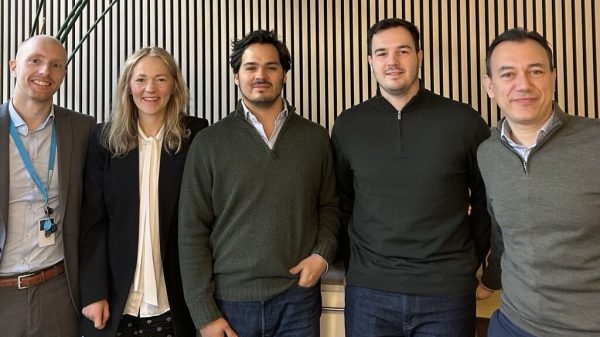
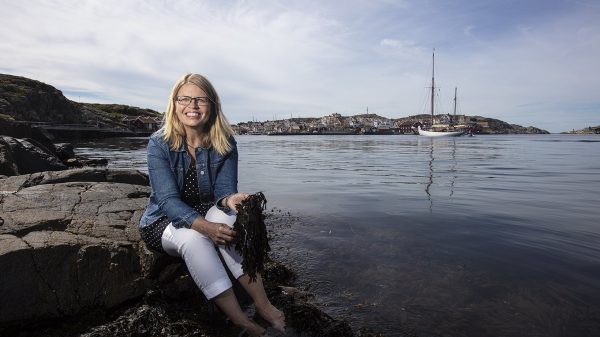
Founded by researchers Theo Serivichyaswat and Tom van der Valk, GenomeVault is transforming technology originally developed to study ancient DNA into a scalable solution that helps businesses measure and report their impact on biodiversity.
From Ice Age Research to Environmental Intelligence
GenomeVault’s technology originated at the Centre for Palaeogenetics, a collaboration between the Swedish Museum of Natural History and Stockholm University. The founders initially developed advanced DNA analysis methods for studying genetic material preserved for thousands—or even millions—of years.
“We realized that if we could reconstruct ancient ecosystems from environmental DNA, we could also use the same technology to understand today’s ecosystems,” said co-founder Theo Serivichyaswat.
The company now applies that scientific foundation to one of today’s biggest environmental challenges: making biodiversity measurable at scale.
Replacing Manual Biodiversity Surveys
Many industries are facing increasing pressure to monitor and report their environmental impact, particularly as European sustainability regulations become more stringent. Traditional biodiversity assessments often require experts to conduct field surveys, manually identifying and counting species—a process that is expensive, time-consuming, and difficult to repeat across large areas.
GenomeVault takes a different approach.
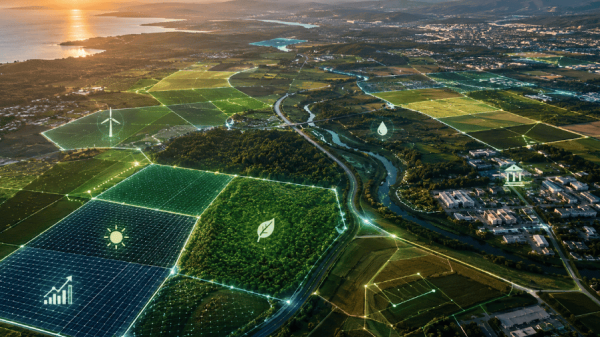
Its platform analyzes environmental DNA (eDNA)—genetic material naturally left behind by plants, animals, fungi, and microorganisms in soil, water, and air. Using proprietary laboratory workflows and bioinformatics algorithms, the company transforms environmental samples into interactive biodiversity reports that organizations can use for monitoring, compliance, and decision-making.
Rather than purchasing software, customers simply collect environmental samples as part of existing environmental assessments. The samples are processed through GenomeVault’s laboratory and computational pipeline before clients receive detailed, user-friendly reports.
Growing Demand from Infrastructure and Energy Companies
GenomeVault already works with infrastructure and energy organizations, including Ramboll and Vattenfall, while also seeing applications across agriculture, forestry, and livestock management.
Demand is expected to accelerate as new European regulations require governments and businesses to better measure biodiversity outcomes. The EU Nature Restoration Regulation, for example, sets ambitious targets for restoring ecosystems by 2030, increasing the need for reliable biodiversity monitoring.
“The system needs trustworthy and scalable biodiversity metrics that organizations can use to monitor, report, and improve their environmental impact,” Serivichyaswat said.
Funding to Scale Commercial Operations
The new investment will help GenomeVault transition from research infrastructure to commercial scale.
The company plans to expand both its laboratory capacity and computational infrastructure while growing its team from around seven employees with several new hires.
The round was led by Trio Impact Invest, the deep-tech investment fund jointly backed by Karolinska Institutet, KTH Royal Institute of Technology, and Stockholm University.
“GenomeVault is exactly the kind of company our fund was created to support—deep scientific research transformed into a scalable platform,” said Trio Impact Invest CEO Siimon Vaske.
Bridging Science and Sustainability
GenomeVault represents a growing generation of European deep-tech startups translating academic research into commercial climate solutions. By combining genomics, bioinformatics, and environmental reporting, the company aims to make biodiversity measurement faster, more scalable, and more accessible for industries navigating an increasingly regulated sustainability landscape.
As biodiversity becomes as important to businesses as carbon accounting, technologies like GenomeVault’s could play a central role in how organizations understand—and reduce—their environmental footprint.